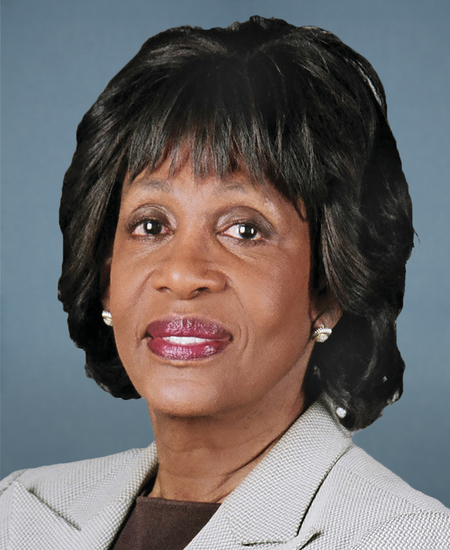
“You are bad. The other side is bad and mean. I don't like this bill. It will help big banks. Big banks are bad. I want more rules for big banks. I want you to vote against this bill. I want to blame Trump for bad things.”
What they said. What they meant.
Plain-language translations from Congress.
Recent debates
8 latest topics
Protect Economic and Academic Freedom Act of 2026
13 statements
Moment of Silence in Honor of the 25th Anniversary of September 11
2 statements
Honoring Former U.S. Representative Charles Hatcher of Georgia
2 statements
Recognizing Firefighters from California's Third Congressional District
17 statements
Saluting White Plains Beautification Foundation
2 statements
Celebrating Rural Lawyer Julie Bear
4 statements
Operation Midway Blitz Anniversary
2 statements
Catherine Watts Celebrates 100th Birthday
4 statements
House of Representatives
Main Street Capital Access Act
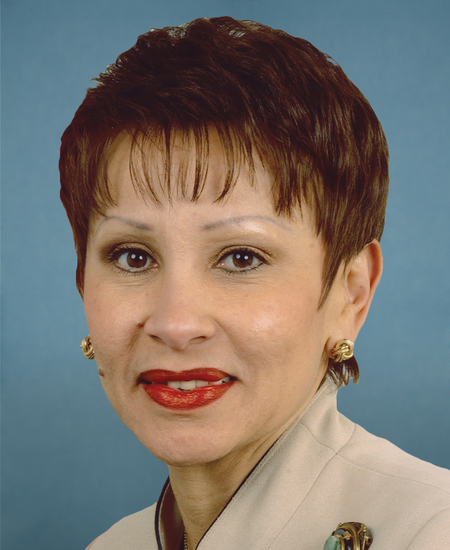
“I don't like this bill. It will help small banks too much. That's bad. Big banks are good. Regulation is good. We need more regulation. Not less. This bill will reduce regulation. That's very bad. It will cause a financial crisis. I want you to oppose this bill.”
“I don't want to talk about the actual bill. I brought up something from 10 years ago to change the subject. I hope that people will be distracted by talking about that instead.”

“I don't like this bill. It won't help regular people. It only helps Wall Street. It weakens rules that protect consumers. I want to send this bill back to committee. My amendment stops big banks from dodging regulations. This bill is bad for regular people.”
“I want my colleagues to vote for my motion. We should send this bill back to committee. I want to change this bill. I don't want Wall Street to win. I say this bill is bad.”
“I want to blame banks for bad things. One bank paid a big fine. That is bad. The bank has lots of money. They can pay fines and still make money. That is bad. I want to change the bill so big banks don't benefit. The other side won't do that. They are like a skunk at a party. People are sad about how banks treat them. Banks don't want to lend for small houses. I worked on a bill with Mr. Hill to help that. The other side wants banks to get richer. That is bad. No more helping the banks. No more deregulation. Community banks are going out of business. That is bad.”
“I don't like this bill. It might help big banks escape rules. I only want small banks to escape rules. Small banks are good. Big banks have bad customer service. I want to stop big banks from escaping rules. This bill does not help small banks enough.”
“I don't like this bill. I want you to vote no. Many groups agree with me. This bill is bad for many reasons. It will make banks less accountable. It will make it harder to stop discrimination. It will make it harder to evaluate bank mergers. Many groups from many states oppose this bill. I could say more but there is no time.”
“I want you to pick a side. Are you for the rich banks or for the little guy? Big banks are bad. They don't care about people with only $200,000. Big banks want to lend big money. They have power and friends in Congress. But people are learning they have rights. People should confront big banks. They should call their legislator for help. I want to make that happen.”
“I want you to pick a side. Are you for the rich banks or for the little guy? I have a letter that says banks are bad. Big banks are dangerous. They take risks. They want deregulation. That letter is from unions and people who want more banking rules.”
“I want you to think Republicans are bad. They want less banking rules. I don't like that. I worked with Republicans before. We made a deal. Now they break the deal. Trump wants less rules. He tells regulators what to do. Bank profits are high. I don't like that. I want more rules. I want you to vote against less rules. Vote against this bill. Don't support Wall Street.”