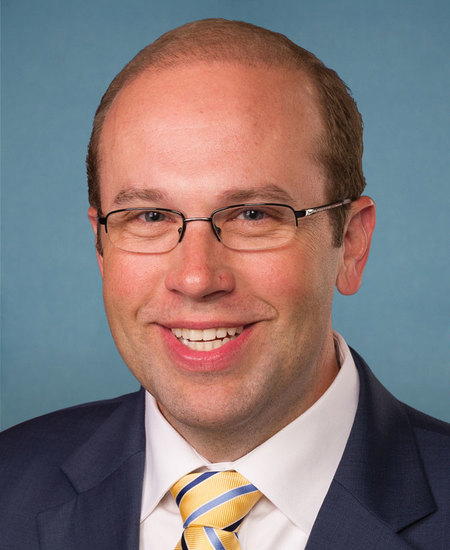
A bill to stop the IRS from chasing innocent taxpayers forever when a shady tax preparer fakes their returns. Right now, if a 'ghost preparer' commits fraud on your return without you knowing, the IRS can audit you until the end of time. The bill says that's only fair if the taxpayer actually intended to cheat, and it expands penalties for bad preparers. Both parties agreed on this one, so the debate stayed civil: everyone praised the sponsor, told a few fraud horror stories from their districts, and agreed taxpayers shouldn't pay for crimes they didn't commit. A rare moment of unity, mostly because it's hard to defend 'guilty forever because someone else lied on your paperwork.'Written by GLM 5.3 Flash. Updated .
“I want this bill passed right now. It's called the 'Protecting Taxpayers from Ghost Preparers Act'.”
“I am asking the House to pass this bill to penalize tax preparers who wrongly change people's tax returns.”
“Mr. Speaker, I move to suspend the rules and pass the bill (H.R. 9499) to amend the Internal Revenue Code of 1986 to apply tax return preparation penalties to improperly altered returns, and for other purposes, as amended. The Clerk read the title of the bill. The text of the bill is as follows:”
Official Congressional Record
Mr. Speaker, I move to suspend the rules and pass the bill (H.R. 9499) to amend the Internal Revenue Code of 1986 to apply tax return preparation penalties to improperly altered returns, and for other purposes, as amended. The Clerk read the title of the bill. The text of the bill is as follows:
“I want this bill to pass. Bad people commit tax fraud. They make it look like regular people filed the bad returns. Those people get in trouble. This bill protects them. It makes things clear. I like the bill's sponsor. She's been fighting tax fraud in her district. The committee approved this bill unanimously. I want this bill passed right now.”
“I want the House to pass this bill. Some dishonest tax preparers file fake returns that look like taxpayers filed them on their own. This bill protects innocent people from paying penalties forever for fraud they did not commit.”
“Mr. Speaker, I yield myself such time as I may consume. Mr. Speaker, I rise today in support of H.R. 9499, the Protecting Taxpayers from Ghost Preparers Act, introduced by Representative Malliotakis. Shady businesses and criminal enterprises commit all types of tax fraud, including exploiting the system by filing returns on behalf of individuals while making it appear that the taxpayers prepared and submitted those returns themselves. The actions of these so-called ghost preparers can leave an innocent taxpayer facing the blame and potential IRS penalties for a crime that they did not commit. This legislation provides much-needed clarity within our tax code and ensures Americans do not face an indefinite future of IRS assessments or penalties because of the misdeeds of others. It reflects the longstanding commitment of Representative Malliotakis to protecting the rights of taxpayers, particularly those within her own district who have been the victims of tax fraud. Mr. Speaker, I applaud her leadership on the issue and her work to put forward legislation that received unanimous approval from the House Ways and Means Committee. Mr. Speaker, I reserve the balance of my time.”
Official Congressional Record
Mr. Speaker, I yield myself such time as I may consume. Mr. Speaker, I rise today in support of H.R. 9499, the Protecting Taxpayers from Ghost Preparers Act, introduced by Representative Malliotakis. Shady businesses and criminal enterprises commit all types of tax fraud, including exploiting the system by filing returns on behalf of individuals while making it appear that the taxpayers prepared and submitted those returns themselves. The actions of these so-called ghost preparers can leave an innocent taxpayer facing the blame and potential IRS penalties for a crime that they did not commit. This legislation provides much-needed clarity within our tax code and ensures Americans do not face an indefinite future of IRS assessments or penalties because of the misdeeds of others. It reflects the longstanding commitment of Representative Malliotakis to protecting the rights of taxpayers, particularly those within her own district who have been the victims of tax fraud. Mr. Speaker, I applaud her leadership on the issue and her work to put forward legislation that received unanimous approval from the House Ways and Means Committee. Mr. Speaker, I reserve the balance of my time.
“I support this bill. The bill's sponsor did good work. Bad tax preparers commit fraud. They don't tell the taxpayer. The taxpayer finds out later when the IRS audits them. Right now the IRS can audit anytime if there's fraud. The taxpayer is stuck. This bill protects taxpayers. It limits how long the IRS can audit if only the preparer committed fraud. The IRS should go after the bad preparer, not the taxpayer. This is a good step to protect taxpayers.”
“I support this bill. Right now, if a dishonest tax preparer lies on someone's taxes without their knowledge, the IRS can audit that taxpayer forever. This bill stops that. It makes sure the IRS only goes after the bad preparer, not innocent people.”
“Mr. Speaker, I yield myself such time as I may consume. Mr. Speaker, I rise today in support of H.R. 9499, the Protecting Taxpayers from Ghost Preparers Act. I thank my colleague, Ms. Malliotakis, for her leadership on this bill. This bill helps victims of tax fraud by ensuring that the IRS is penalizing the bad actor and not the taxpayer. The bill addresses circumstances under which a tax preparer commits fraud without the knowledge of the taxpayer. The taxpayer may not find out about a false or fraudulent return until years after it was filed, when the IRS audits the return. Under current law, the IRS generally must begin an audit within 3 years after a return is filed. This is commonly referred to as a 3-year statute of limitations. However, when a return involves fraud with an intent to evade tax, the IRS has an indefinite amount of time to audit the return. In other words, there is no statute of limitations. Current law does not distinguish as to when the fraud is committed by a taxpayer or when it is committed by a third party, such as the taxpayer's return preparer who files a false or fraudulent return with the intent to evade tax. In both situations, the statute of limitations for audits is held open indefinitely, and the taxpayer is on the hook. The bill would fix this trap for unwitting taxpayers. The bill provides that misconduct solely by a third party, such as the taxpayer's return preparer, can no longer indefinitely suspend the statute of limitations for a taxpayer. It makes clear that only an intent to evade tax by the taxpayer would hold the statute of limitations open indefinitely for a taxpayer. This bill protects innocent taxpayers from being indefinitely exposed to IRS enforcement actions when a false or fraudulent return was filed by the return preparer without the taxpayer's knowledge. Mr. Speaker, this bill is a step in the right direction for protecting taxpayers from fraudulent preparers. Mr. Speaker, I reserve the balance of my time.”
Official Congressional Record
Mr. Speaker, I yield myself such time as I may consume. Mr. Speaker, I rise today in support of H.R. 9499, the Protecting Taxpayers from Ghost Preparers Act. I thank my colleague, Ms. Malliotakis, for her leadership on this bill. This bill helps victims of tax fraud by ensuring that the IRS is penalizing the bad actor and not the taxpayer. The bill addresses circumstances under which a tax preparer commits fraud without the knowledge of the taxpayer. The taxpayer may not find out about a false or fraudulent return until years after it was filed, when the IRS audits the return. Under current law, the IRS generally must begin an audit within 3 years after a return is filed. This is commonly referred to as a 3-year statute of limitations. However, when a return involves fraud with an intent to evade tax, the IRS has an indefinite amount of time to audit the return. In other words, there is no statute of limitations. Current law does not distinguish as to when the fraud is committed by a taxpayer or when it is committed by a third party, such as the taxpayer's return preparer who files a false or fraudulent return with the intent to evade tax. In both situations, the statute of limitations for audits is held open indefinitely, and the taxpayer is on the hook. The bill would fix this trap for unwitting taxpayers. The bill provides that misconduct solely by a third party, such as the taxpayer's return preparer, can no longer indefinitely suspend the statute of limitations for a taxpayer. It makes clear that only an intent to evade tax by the taxpayer would hold the statute of limitations open indefinitely for a taxpayer. This bill protects innocent taxpayers from being indefinitely exposed to IRS enforcement actions when a false or fraudulent return was filed by the return preparer without the taxpayer's knowledge. Mr. Speaker, this bill is a step in the right direction for protecting taxpayers from fraudulent preparers. Mr. Speaker, I reserve the balance of my time.
“I want to pass this bill. Many people hire tax preparers. Dishonest preparers commit fraud. The taxpayer doesn't know. They get in trouble with the IRS. This is bad. In Kentucky, two people filed almost 6,000 fraudulent tax returns. In New York, a preparer committed $12 million in fraud. Another person in the Bronx did this for 10 years. Innocent people get stuck with the problem. Right now the IRS can audit anytime if there's fraud. The taxpayer might be stuck forever because of the preparer's fraud. My bill fixes this. The unlimited time limit only applies if the taxpayer intended to evade taxes. Not if only the preparer did. That is fair. I want to work on more ways to punish dishonest preparers. People should not have endless tax trouble because of bad preparers. This bill is common sense. It protects taxpayers. I want everyone to support it.”
“I want the House to pass this bill. Dishonest tax preparers sometimes file fake tax returns without the client knowing. Right now, the IRS can go after innocent taxpayers forever for that fraud. This bill protects taxpayers who did not try to cheat, while punishing the dishonest preparers instead.”
“Mr. Speaker, I rise today in strong support of my legislation, H.R. 9499, the Protecting Taxpayers from Ghost Preparers Act. This bill has received bipartisan support, and it passed unanimously out of our Ways and Means Committee. Every year, millions of Americans turn to tax professionals for help navigating our complicated tax code. They should be able to trust that the person they are paying to prepare their return is acting honestly and following the law. Unfortunately, dishonest tax preparers--often referred to as ghost preparers--take advantage of that trust. They alter returns, claim fraudulent deductions or credits, inflate refunds, and sometimes even take a percentage of the refund themselves. Then, they disappear and leave the taxpayer to deal with the IRS and the consequences. That is simply wrong. We have seen serious cases across the country. In Kentucky, two individuals pleaded guilty after preparing nearly 6,000 fraudulent Federal tax returns, resulting in more than $10 million in tax losses. In my home State of New York, a Long Island tax preparer pleaded guilty to nearly $12 million in a fraud scheme after preparing fraudulent returns and collecting more than $1 million in fees from his clients. In the Bronx, an individual was sentenced to 4 years in prison for orchestrating a decade-long tax fraud scheme involving tens of thousands of false returns. These schemes can leave innocent taxpayers holding the bag for misconduct they did not know about and did not participate in. Under current law, the IRS generally has 3 years to assess additional tax after a return is filed. When a return is fraudulent, that limitation can remain open indefinitely. The problem is that an innocent taxpayer could potentially face that unlimited period because of fraud committed by the preparer--even when the evidence is clear that the taxpayer had no intention whatsoever of evading taxes. My bill fixes that. H.R. 9499 makes clear that the unlimited statute of limitations for a fraudulent return applies when the taxpayer intended to evade taxes, not when a dishonest preparer acted alone without the taxpayer's knowledge. That is basic fairness. Taxpayers who knowingly commit fraud should absolutely face the consequences, and dishonest preparers who commit fraud should face the consequences, as well. I will continue working with my colleagues on both sides of the aisle on policies to ensure that fraudulent preparers and other bad actors are held accountable for taking advantage of hardworking taxpayers. Hardworking Americans should not face potentially endless tax liability because someone they trusted took advantage of them. Mr. Speaker, this is commonsense legislation, and it is a taxpayer protection measure. I thank Chairman Smith and the committee staff for their work to advance this legislation, and I urge my colleagues on both sides of the aisle to support it.”
Official Congressional Record
Mr. Speaker, I rise today in strong support of my legislation, H.R. 9499, the Protecting Taxpayers from Ghost Preparers Act. This bill has received bipartisan support, and it passed unanimously out of our Ways and Means Committee. Every year, millions of Americans turn to tax professionals for help navigating our complicated tax code. They should be able to trust that the person they are paying to prepare their return is acting honestly and following the law. Unfortunately, dishonest tax preparers--often referred to as ghost preparers--take advantage of that trust. They alter returns, claim fraudulent deductions or credits, inflate refunds, and sometimes even take a percentage of the refund themselves. Then, they disappear and leave the taxpayer to deal with the IRS and the consequences. That is simply wrong. We have seen serious cases across the country. In Kentucky, two individuals pleaded guilty after preparing nearly 6,000 fraudulent Federal tax returns, resulting in more than $10 million in tax losses. In my home State of New York, a Long Island tax preparer pleaded guilty to nearly $12 million in a fraud scheme after preparing fraudulent returns and collecting more than $1 million in fees from his clients. In the Bronx, an individual was sentenced to 4 years in prison for orchestrating a decade-long tax fraud scheme involving tens of thousands of false returns. These schemes can leave innocent taxpayers holding the bag for misconduct they did not know about and did not participate in. Under current law, the IRS generally has 3 years to assess additional tax after a return is filed. When a return is fraudulent, that limitation can remain open indefinitely. The problem is that an innocent taxpayer could potentially face that unlimited period because of fraud committed by the preparer--even when the evidence is clear that the taxpayer had no intention whatsoever of evading taxes. My bill fixes that. H.R. 9499 makes clear that the unlimited statute of limitations for a fraudulent return applies when the taxpayer intended to evade taxes, not when a dishonest preparer acted alone without the taxpayer's knowledge. That is basic fairness. Taxpayers who knowingly commit fraud should absolutely face the consequences, and dishonest preparers who commit fraud should face the consequences, as well. I will continue working with my colleagues on both sides of the aisle on policies to ensure that fraudulent preparers and other bad actors are held accountable for taking advantage of hardworking taxpayers. Hardworking Americans should not face potentially endless tax liability because someone they trusted took advantage of them. Mr. Speaker, this is commonsense legislation, and it is a taxpayer protection measure. I thank Chairman Smith and the committee staff for their work to advance this legislation, and I urge my colleagues on both sides of the aisle to support it.
“I want this bill to pass. Taxpayers who follow the rules shouldn't be held responsible for bad preparers' fraud. Innocent people shouldn't pay for someone else's wrongdoing. Both parties should vote yes.”
“I want my colleagues to vote for this bill. People who follow the tax rules should not have to pay for the crimes of dishonest tax preparers.”
“Mr. Speaker, taxpayers who follow the rules should not be liable for the actions of those who do not. This bill will ensure that the innocent taxpayers are not on the hook for the wrongdoings of bad actors. Mr. Speaker, I urge my colleagues on both sides of the aisle to vote ``yes'' on the bill, and I yield back the balance of my time.”
Official Congressional Record
Mr. Speaker, taxpayers who follow the rules should not be liable for the actions of those who do not. This bill will ensure that the innocent taxpayers are not on the hook for the wrongdoings of bad actors. Mr. Speaker, I urge my colleagues on both sides of the aisle to vote ``yes'' on the bill, and I yield back the balance of my time.
“I want this bill to pass. The IRS should go after criminals, not the victims. I think my bill will fix an IRS fraud problem. I want everyone to vote for it.”
“I want the House to pass this bill. It makes sure the IRS goes after the criminals who commit tax fraud, not the victims.”
“Mr. Speaker, I yield myself the balance of my time. We need an IRS that is relentless in combatting fraud and pursuing criminals who break our tax laws. We have to make sure the agency's actions target the criminal and not the victim. This legislation will help protect taxpayers by fixing a flaw in our current IRS fraud prevention efforts, and I encourage all of my colleagues to support its passage. Mr. Speaker, I yield back the balance of my time.”
Official Congressional Record
Mr. Speaker, I yield myself the balance of my time. We need an IRS that is relentless in combatting fraud and pursuing criminals who break our tax laws. We have to make sure the agency's actions target the criminal and not the victim. This legislation will help protect taxpayers by fixing a flaw in our current IRS fraud prevention efforts, and I encourage all of my colleagues to support its passage. Mr. Speaker, I yield back the balance of my time.