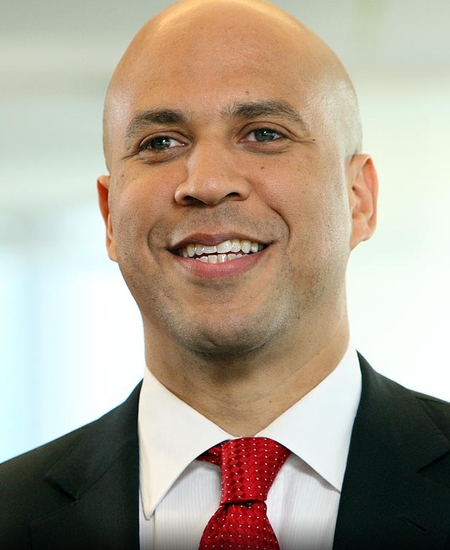
Jon Husted, OH
“I want to make a long speech. I like college sports. College sports were important for me. College sports should be for American students. Too many foreign athletes are taking spots from Americans. The current bill doesn't fix this problem. Foreign athletes get paid in a way that bypasses visa rules. That's bad. I want my bill passed to limit foreign athletes to 20 percent of rosters. That will help American athletes.”
“I do not support the college sports bill unless it protects American student-athletes. Colleges are giving too many team spots and payments to foreign athletes instead of Americans. I want to limit foreign players to 20 percent of each college team so American kids still get the chance to play.”
“Mr. President, I rise today to speak about the future of college athletics and American student-athletes. Congress is being asked to take action to save college sports. Well, as we consider what we need to do to save college sports, we better make sure that we are focused on saving it for American student- athletes. For generations, college sports have become a part of culture, particularly in a State like Ohio. A lot of States love their college sports. It is part of American culture and it is an important part of campus life for many American students and we want to make sure that that remains the case. But sports mean so much more than that. So many of America's leaders have a sports background, whether that is in politics, business, or whatever it might be. For obvious reasons, it helps you build character. It makes you tougher. You learn discipline, teamwork, all of the things that are virtuous parts of succeeding in life. I know this firsthand. I grew up very rural and went to high school in a small town, and no one in my family had attended college--no one. And the only thing I wanted to do as a kid is that I wanted to play college football. I got to watch the Ohio State Buckeyes and even one of the Notre Dame Fighting Irish. You watched them when you were a kid on TV, and you said: Hey, I don't know anything about college, but I would like to go play college football. And that is what got me interested in going to college--because I wanted to play college football. I literally didn't know a person who had gone to college other than my teachers and coaches. I didn't know anybody, but I wanted to go to college because I wanted to play college sports. And if you want to play college sports, the pathway to developing you as a human being starts long before you graduate from high school because if you want to play college sports, you have got to prepare. From the time you played Little League Baseball or maybe now youth soccer, youth basketball, football--whatever your sport is--you start to develop yourself, your character, as a young person with that goal in mind, that one day maybe you can go play for that team that you dreamed of when you were a little kid. For me, I ended up playing football at the University of Dayton. I was a highly prized recruit. I was the seventh-team running back when I got there. I bet most people didn't know that you could be that low on the depth chart. I actually was that low on the depth chart. And as a matter of fact, the equipment manager didn't even want to give me a jersey number that I could be a running back because he said I was never going to play there. But the good news is that if you develop that character that you get from sports like football, where you get knocked down and you got to get back up, you learn never to quit. That is why sports is such an important part of people's lives. And, for me, that resilience paid off because, later, I ended up having the opportunity to be a starting defensive back, eventually became a national champion and an all-American. I would never have developed that character without the opportunity to play sports, and I tell you today there is no way I would be standing here as a U.S. Senator if it weren't for college athletics, for giving me the chance to develop myself from a kid who grew up where they didn't know anybody that went to college to somebody who not only graduated but got a chance to succeed in athletics. And I want that for everybody in this country. I want every kid-- little kid--who has a dream of going to play athletics, whether it is on the tennis team, golf team, hockey, whatever it is, that they have a chance to do that. But, increasingly, American student-athletes are being denied this opportunity because more and more roster spots are going to student- athletes from other nations. While the Protect College Sports Act takes a material step toward making our Nation's college sports leagues competitive again, it has one critical omission: It doesn't look out for American student- athletes in their academic and athletic journeys. As I said, more scholarships--and in this case, roster spots--I am not talking about a scholarship. I am talking about a roster spot--a chance to play--are going to non-Americans. And there is no incentive for colleges to prioritize American student-athletes. And with the NIL funds that are coming in, it is going to create a bigger and bigger incentive for pro athletes from other nations to come play college sports in America and take roster spots away from American citizens. These taxpayer-funded institutions should prioritize American students, and, additionally, the Protect College Sports Act fails to address the gray area created by the overlap in immigration law and revenue-sharing structures. Student-athletes often come to the United States under F-1 visa status. This visa status has strict limitations on compensation via employment. But to avoid jeopardizing visa status, colleges and universities structure payments to international student-athletes as passive income out of revenue-sharing funds and get around those prohibitions, again, creating an incentive for more roster spots and more scholarships to go to student-athletes who are not American citizens. It is not right. If you ask Congress to protect college sports, we should be protecting it for American student-athletes. And that is why I introduced the Training and Education for American Members in University Sports and Athletics Act--the TEAM USA Act--with House Education and Workforce Chair Walberg. The TEAM USA Act would encourage universities to prioritize American students when recruiting the best talent, and the proposal places a 20- percent cap on international student roster spots per sport with delayed implementation so that current student-athletes are not disrupted. So, understand, I am not calling for a ban. We welcome international student-athletes to America. Twenty percent of the roster spots--that is fine. But we have some rosters in which there is not a single U.S. citizen on that roster in some of our nonrevenue sports. That is not right. It is not the way it should be. We support competition, but we want to make sure that it is a valuable opportunity for American student-athletes because sports were created not to make big revenue and big money for college athletic programs; they were created to build character amongst our students in our schools. It was designed originally to teach--yes, we want to have academics in our schools, but we also are going to have extracurricular athletics to teach physical fitness, toughness, leadership, and character. That is what it is all about, and to deny increasingly those opportunities to American student-athletes is wrong. And so as Congress considers the future of NIL and college sports, protecting opportunities for American student-athletes must come first. American colleges and universities are increasingly giving scholarships and these limited roster spots to foreign athletes, and the growth of NIL money only creates more incentives for foreign athletes to cash in on the American system at the expense of student- athletes in this country. If the U.S. Congress is being asked to save college sports, we better darn sure make sure that we save it for American student-athletes. I don't expect governments of other nations to look out for American student-athletes, but I sure expect the U.S. Government to look out for American student-athletes. And that is why I have introduced the legislation, why it needs to be part of this discussion, so that American student-athletes still have the opportunity, like lots of little boys and little girls out there today who dream, have a dream, to be able to play college sports one day, shouldn't see that opportunity given away to someone who is not an American citizen. We can balance both. We can find a way to welcome the best from other nations and also protect roster spots for American student-athletes. I yield the floor.”
Mr. President, I rise today to speak about the future of college athletics and American student-athletes. Congress is being asked to take action to save college sports. Well, as we consider what we need to do to save college sports, we better make sure that we are focused on saving it for American student- athletes. For generations, college sports have become a part of culture, particularly in a State like Ohio. A lot of States love their college sports. It is part of American culture and it is an important part of campus life for many American students and we want to make sure that that remains the case. But sports mean so much more than that. So many of America's leaders have a sports background, whether that is in politics, business, or whatever it might be. For obvious reasons, it helps you build character. It makes you tougher. You learn discipline, teamwork, all of the things that are virtuous parts of succeeding in life. I know this firsthand. I grew up very rural and went to high school in a small town, and no one in my family had attended college--no one. And the only thing I wanted to do as a kid is that I wanted to play college football. I got to watch the Ohio State Buckeyes and even one of the Notre Dame Fighting Irish. You watched them when you were a kid on TV, and you said: Hey, I don't know anything about college, but I would like to go play college football. And that is what got me interested in going to college--because I wanted to play college football. I literally didn't know a person who had gone to college other than my teachers and coaches. I didn't know anybody, but I wanted to go to college because I wanted to play college sports. And if you want to play college sports, the pathway to developing you as a human being starts long before you graduate from high school because if you want to play college sports, you have got to prepare. From the time you played Little League Baseball or maybe now youth soccer, youth basketball, football--whatever your sport is--you start to develop yourself, your character, as a young person with that goal in mind, that one day maybe you can go play for that team that you dreamed of when you were a little kid. For me, I ended up playing football at the University of Dayton. I was a highly prized recruit. I was the seventh-team running back when I got there. I bet most people didn't know that you could be that low on the depth chart. I actually was that low on the depth chart. And as a matter of fact, the equipment manager didn't even want to give me a jersey number that I could be a running back because he said I was never going to play there. But the good news is that if you develop that character that you get from sports like football, where you get knocked down and you got to get back up, you learn never to quit. That is why sports is such an important part of people's lives. And, for me, that resilience paid off because, later, I ended up having the opportunity to be a starting defensive back, eventually became a national champion and an all-American. I would never have developed that character without the opportunity to play sports, and I tell you today there is no way I would be standing here as a U.S. Senator if it weren't for college athletics, for giving me the chance to develop myself from a kid who grew up where they didn't know anybody that went to college to somebody who not only graduated but got a chance to succeed in athletics. And I want that for everybody in this country. I want every kid-- little kid--who has a dream of going to play athletics, whether it is on the tennis team, golf team, hockey, whatever it is, that they have a chance to do that. But, increasingly, American student-athletes are being denied this opportunity because more and more roster spots are going to student- athletes from other nations. While the Protect College Sports Act takes a material step toward making our Nation's college sports leagues competitive again, it has one critical omission: It doesn't look out for American student- athletes in their academic and athletic journeys. As I said, more scholarships--and in this case, roster spots--I am not talking about a scholarship. I am talking about a roster spot--a chance to play--are going to non-Americans. And there is no incentive for colleges to prioritize American student-athletes. And with the NIL funds that are coming in, it is going to create a bigger and bigger incentive for pro athletes from other nations to come play college sports in America and take roster spots away from American citizens. These taxpayer-funded institutions should prioritize American students, and, additionally, the Protect College Sports Act fails to address the gray area created by the overlap in immigration law and revenue-sharing structures. Student-athletes often come to the United States under F-1 visa status. This visa status has strict limitations on compensation via employment. But to avoid jeopardizing visa status, colleges and universities structure payments to international student-athletes as passive income out of revenue-sharing funds and get around those prohibitions, again, creating an incentive for more roster spots and more scholarships to go to student-athletes who are not American citizens. It is not right. If you ask Congress to protect college sports, we should be protecting it for American student-athletes. And that is why I introduced the Training and Education for American Members in University Sports and Athletics Act--the TEAM USA Act--with House Education and Workforce Chair Walberg. The TEAM USA Act would encourage universities to prioritize American students when recruiting the best talent, and the proposal places a 20- percent cap on international student roster spots per sport with delayed implementation so that current student-athletes are not disrupted. So, understand, I am not calling for a ban. We welcome international student-athletes to America. Twenty percent of the roster spots--that is fine. But we have some rosters in which there is not a single U.S. citizen on that roster in some of our nonrevenue sports. That is not right. It is not the way it should be. We support competition, but we want to make sure that it is a valuable opportunity for American student-athletes because sports were created not to make big revenue and big money for college athletic programs; they were created to build character amongst our students in our schools. It was designed originally to teach--yes, we want to have academics in our schools, but we also are going to have extracurricular athletics to teach physical fitness, toughness, leadership, and character. That is what it is all about, and to deny increasingly those opportunities to American student-athletes is wrong. And so as Congress considers the future of NIL and college sports, protecting opportunities for American student-athletes must come first. American colleges and universities are increasingly giving scholarships and these limited roster spots to foreign athletes, and the growth of NIL money only creates more incentives for foreign athletes to cash in on the American system at the expense of student- athletes in this country. If the U.S. Congress is being asked to save college sports, we better darn sure make sure that we save it for American student-athletes. I don't expect governments of other nations to look out for American student-athletes, but I sure expect the U.S. Government to look out for American student-athletes. And that is why I have introduced the legislation, why it needs to be part of this discussion, so that American student-athletes still have the opportunity, like lots of little boys and little girls out there today who dream, have a dream, to be able to play college sports one day, shouldn't see that opportunity given away to someone who is not an American citizen. We can balance both. We can find a way to welcome the best from other nations and also protect roster spots for American student-athletes. I yield the floor.