“I want to pass this bill quickly. The bill sets up new boards to study electricity demand predictions. Then we will get reports and recommendations. That's the whole speech.”
“I am asking the House to pass this bill. It sets up regional boards to study how to better predict electricity demand.”
“Madam Speaker, I move to suspend the rules and pass the bill (H.R. 9332) to require the Federal Energy Regulatory Commission to establish regional joint boards to study electric load forecasting, and for other purposes. The Clerk read the title of the bill. The text of the bill is as follows:”
Official Congressional Record
Madam Speaker, I move to suspend the rules and pass the bill (H.R. 9332) to require the Federal Energy Regulatory Commission to establish regional joint boards to study electric load forecasting, and for other purposes. The Clerk read the title of the bill. The text of the bill is as follows:
“I want this bill to pass. Electricity use is growing fast. We might build too much if we don't know how much will be used. We can do better. The bill sets up groups to help us know better. I want the government and states to work together. This will help keep electricity cheap. I want everyone to vote yes.”
“I want the House to pass this bill. Demand for electricity is growing very fast. This bill helps us better predict how much power we need, so we do not overspend and drive up costs for families and businesses.”
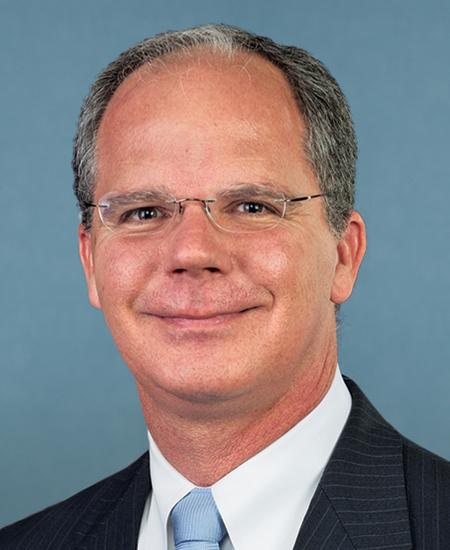
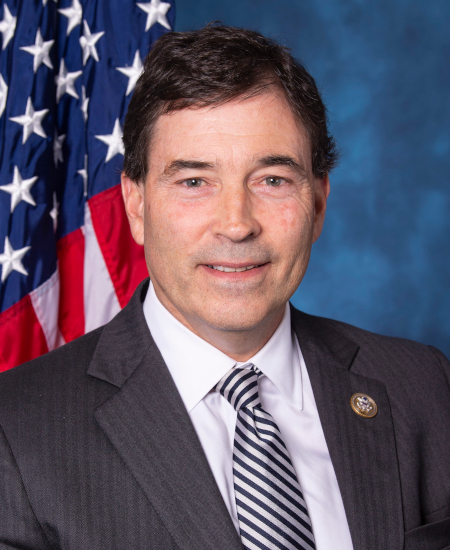
“Madam Speaker, I yield myself such time as I may consume. Madam Speaker, I rise in support of H.R. 9332, the Load Forecasting Enhancement Act, sponsored by my colleague Congressman Troy Balderson from Ohio. Simply put, this legislation will improve the accuracy of electricity demand projections. We all know electricity demand is increasing at a rapid pace not seen since World War II. Until our load forecasting models can more accurately determine the levels of growth, we risk overbuilding a system that is funded by households and businesses. H.R. 9332 encourages Federal and State partnerships to keep the lights on at an affordable price for our communities. Madam Speaker, I urge my colleagues to support this legislation, and I reserve the balance of my time.”
Official Congressional Record
Madam Speaker, I yield myself such time as I may consume. Madam Speaker, I rise in support of H.R. 9332, the Load Forecasting Enhancement Act, sponsored by my colleague Congressman Troy Balderson from Ohio. Simply put, this legislation will improve the accuracy of electricity demand projections. We all know electricity demand is increasing at a rapid pace not seen since World War II. Until our load forecasting models can more accurately determine the levels of growth, we risk overbuilding a system that is funded by households and businesses. H.R. 9332 encourages Federal and State partnerships to keep the lights on at an affordable price for our communities. Madam Speaker, I urge my colleagues to support this legislation, and I reserve the balance of my time.
“I want this bill to pass. This bill will help forecast electricity demand. If we guess wrong, electricity might be too expensive. Or the power might go out. This bill makes a group to study how to guess better. States should listen to their recommendations. I want businesses to invest. I want more jobs. I want people to have cheap electricity. This bill helps that. I wrote the bill. It has support from both parties. Everyone should vote yes.”
“I want the House to pass this bill. Demand for electricity is growing quickly. If we predict it wrong, we could either face blackouts or waste billions of dollars that customers have to pay. This bill creates regional boards to find the best ways to predict our power needs.”
“Madam Speaker, I thank Chairman Guthrie for his continued leadership of the committee. Madam Speaker, I rise today in support of H.R. 9332, the Load Forecasting Enhancement Act, which shields Americans from unnecessary costs and strengthens long-term energy reliability. Our electric grid is entering a period of historic change. We see rapid growth in demand from advanced manufacturing and electrification. These projects represent economic opportunity and investment in our communities, but they also raise important questions: How much electricity are we going to need, and where do we need it? Keeping the lights on starts with understanding changing power needs and getting the right infrastructure in place. For years, experts have warned that our grid operators face growing reliability risks as electricity demand continues to increase, which means we need to get serious about planning for the future. Getting the forecast wrong can create problems in both directions. If we underestimate demand, we risk not building enough generation and transmission to keep the lights on. If we overestimate the demand, we could end up spending billions of dollars on infrastructure for projects that never materialize, leaving American ratepayers responsible for footing the bill. The Load Forecasting Enhancement Act would bring State utility regulators and the Federal Energy Regulatory Commission together through regional joint boards to identify best practices for forecasting future electricity demand. FERC would then report those findings and recommendations to Congress. The bill also requires States to consider incorporating the recommendations, greatly improving transparency and accountability in load forecasting. With this legislation, we can make sure the people responsible for planning our electric grid have the best information possible. Madam Speaker, we want America to lead the world in manufacturing and innovation. We want businesses to invest and create good-paying jobs. Most importantly, we want communities across Ohio and across this country to benefit from the growth. By passing my bill, Congress can help lower costs for consumers and ensure our grid can keep pace with the growing demand. Madam Speaker, I thank my colleague from New Jersey, Congressman Menendez, for co-leading the Load Forecasting Enhancement Act with me. This bipartisan legislation was passed unanimously out of the Energy and Commerce Committee, and I urge my colleagues to support this bill here today.”
Official Congressional Record
Madam Speaker, I thank Chairman Guthrie for his continued leadership of the committee. Madam Speaker, I rise today in support of H.R. 9332, the Load Forecasting Enhancement Act, which shields Americans from unnecessary costs and strengthens long-term energy reliability. Our electric grid is entering a period of historic change. We see rapid growth in demand from advanced manufacturing and electrification. These projects represent economic opportunity and investment in our communities, but they also raise important questions: How much electricity are we going to need, and where do we need it? Keeping the lights on starts with understanding changing power needs and getting the right infrastructure in place. For years, experts have warned that our grid operators face growing reliability risks as electricity demand continues to increase, which means we need to get serious about planning for the future. Getting the forecast wrong can create problems in both directions. If we underestimate demand, we risk not building enough generation and transmission to keep the lights on. If we overestimate the demand, we could end up spending billions of dollars on infrastructure for projects that never materialize, leaving American ratepayers responsible for footing the bill. The Load Forecasting Enhancement Act would bring State utility regulators and the Federal Energy Regulatory Commission together through regional joint boards to identify best practices for forecasting future electricity demand. FERC would then report those findings and recommendations to Congress. The bill also requires States to consider incorporating the recommendations, greatly improving transparency and accountability in load forecasting. With this legislation, we can make sure the people responsible for planning our electric grid have the best information possible. Madam Speaker, we want America to lead the world in manufacturing and innovation. We want businesses to invest and create good-paying jobs. Most importantly, we want communities across Ohio and across this country to benefit from the growth. By passing my bill, Congress can help lower costs for consumers and ensure our grid can keep pace with the growing demand. Madam Speaker, I thank my colleague from New Jersey, Congressman Menendez, for co-leading the Load Forecasting Enhancement Act with me. This bipartisan legislation was passed unanimously out of the Energy and Commerce Committee, and I urge my colleagues to support this bill here today.
“I want you to vote for this bill. My friend worked on it. Someone from the other party helped. Vote yes.”
“I want the House to vote yes on this bill.”
“Madam Speaker, I appreciate my good friend Mr. Balderson for sponsoring this and working with Mr. Menendez from New Jersey. I encourage a ``yes'' vote on this bill, and I yield back the balance of my time.”
Official Congressional Record
Madam Speaker, I appreciate my good friend Mr. Balderson for sponsoring this and working with Mr. Menendez from New Jersey. I encourage a ``yes'' vote on this bill, and I yield back the balance of my time.