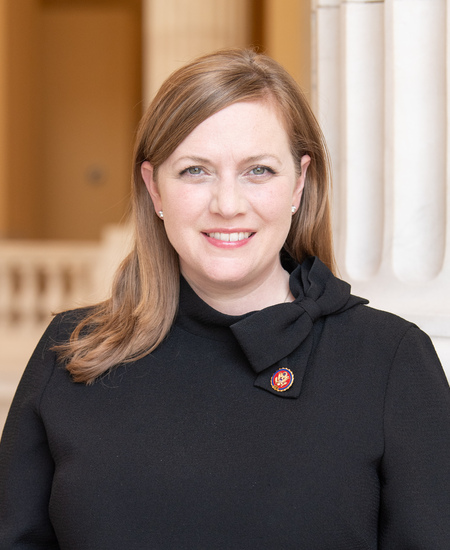
Lizzie Fletcher, TX
“We do not know how much electricity data centers will use. We have to guess. If we guess wrong, electricity prices go up. Or the power might go out. This bill makes a group to study how to guess better. I like that. But data centers also hide things. We need to stop that. This bill is a good start. Everyone should vote yes.”
“I want the House to pass this bill. Demand for power is growing fast because of data centers, but we do not know how much power they will actually need. If companies guess wrong, electric bills will go up or power outages will increase. This bill helps the federal government and states work together to make better predictions.”
“Madam Speaker, I yield myself such time as I may consume. Madam Speaker, one of the most frustrating aspects of the explosion of artificial intelligence-driven demand for electricity is that we actually have no idea how large it will be. We know the demand for power is soaring, but estimates vary all over the place. One study from this February estimated that by the end of the decade, data centers would consume anywhere between 9 and 17 percent of all American electricity. Both of those numbers are enormous, but the gap between them is enormous, too. We simply need to get smarter about our demand forecasts. This isn't an academic point. Demand projections for the future impact electricity prices today. Utilities across the Nation are investing in infrastructure and putting steel in the ground today based on the best available estimates of what demand for electricity will look like 3 to 5 years from now. If they are wrong because the estimates are too high, there is no refund. Families across the Nation will be stuck holding the bag. If they are wrong because the estimates are too low, then our grid gets less reliable, and the risk of blackouts increases. It is a lose-lose situation. H.R. 9332, the Load Forecasting Enhancement Act, helps fix this problem by requiring the Federal Energy Regulatory Commission, FERC, to create joint boards with State regulators to figure out best practices for predicting electricity demand. The bill requires State regulators to push for their utilities to use those best practices. It is a smart solution that gets every relevant party to the table. I commend my colleague, Representative Menendez, for co-leading this bill. I will note that all of these efforts become more difficult if data centers continue issuing NDAs that prevent utilities from comparing notes to see if they are getting requests from the same data center. We need guardrails on data center development to ensure transparency for communities and regulators. This bill doesn't entirely fix the problem, but it represents an important first step. Madam Speaker, I urge my colleagues to support this bill, and I reserve the balance of my time.”
Madam Speaker, I yield myself such time as I may consume. Madam Speaker, one of the most frustrating aspects of the explosion of artificial intelligence-driven demand for electricity is that we actually have no idea how large it will be. We know the demand for power is soaring, but estimates vary all over the place. One study from this February estimated that by the end of the decade, data centers would consume anywhere between 9 and 17 percent of all American electricity. Both of those numbers are enormous, but the gap between them is enormous, too. We simply need to get smarter about our demand forecasts. This isn't an academic point. Demand projections for the future impact electricity prices today. Utilities across the Nation are investing in infrastructure and putting steel in the ground today based on the best available estimates of what demand for electricity will look like 3 to 5 years from now. If they are wrong because the estimates are too high, there is no refund. Families across the Nation will be stuck holding the bag. If they are wrong because the estimates are too low, then our grid gets less reliable, and the risk of blackouts increases. It is a lose-lose situation. H.R. 9332, the Load Forecasting Enhancement Act, helps fix this problem by requiring the Federal Energy Regulatory Commission, FERC, to create joint boards with State regulators to figure out best practices for predicting electricity demand. The bill requires State regulators to push for their utilities to use those best practices. It is a smart solution that gets every relevant party to the table. I commend my colleague, Representative Menendez, for co-leading this bill. I will note that all of these efforts become more difficult if data centers continue issuing NDAs that prevent utilities from comparing notes to see if they are getting requests from the same data center. We need guardrails on data center development to ensure transparency for communities and regulators. This bill doesn't entirely fix the problem, but it represents an important first step. Madam Speaker, I urge my colleagues to support this bill, and I reserve the balance of my time.