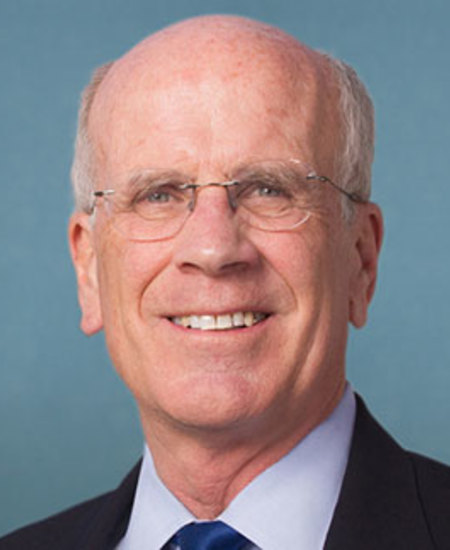
Peter Welch, VT
“I want the U.S. to stop using cluster bombs. They kill civilians long after wars end. Many are still in Laos from the Vietnam War. They are dangerous like landmines. There is a U.S. law now. It limits the sale of these weapons. That is good. But it is not enough. The U.S. and other countries should join treaties to ban these weapons. These weapons should not be made, saved, sold, or used. We need to clean up the old bombs.”
“The United States should join the international treaties that ban cluster bombs and landmines. These weapons kill and injure innocent people for decades after wars end. We need to stop making, storing, selling, and using them, and we need to spend more money to clean up the ones we already dropped.”
“Mr. President, the Third Review Conference of States Parties to the Convention on Cluster Munitions is underway in Laos, a country where millions of U.S. cluster munitions from the Vietnam war continue to maim and kill civilians. Large areas of provinces bordering Vietnam remain contaminated with these deadly explosives. The U.S. is helping clear these munitions, but more resources are needed. Cluster munitions continue to be used today in other armed conflicts. A provision in U.S. law authored by my predecessor Senator Leahy prohibits the sale or transfer of cluster munitions with a failure rate of more than 1 percent. That was an important step, but further action is necessary. Cluster munitions are delivered by artillery or aircraft, disbursed by hundreds or thousands over wide areas. If they detonate on impact as designed, they threaten the lives and livelihoods of anyone-- combatant or noncombatant--within a large radius. Cluster munitions that fail to detonate pose an unacceptable risk to innocent people for years or decades, just like landmines. I commend the states parties to the Convention and the nongovernmental organizations around the world, like Legacies of War in the United States, which have worked to rid the world of these indiscriminate weapons. The U.S. and the other major powers should join both the Convention on Cluster Munitions and the Anti-personnel Mine Ban Convention and work to end the production, stockpiling, transfer, and use of these weapons that have no place in the arsenal of civilized nations.”
Mr. President, the Third Review Conference of States Parties to the Convention on Cluster Munitions is underway in Laos, a country where millions of U.S. cluster munitions from the Vietnam war continue to maim and kill civilians. Large areas of provinces bordering Vietnam remain contaminated with these deadly explosives. The U.S. is helping clear these munitions, but more resources are needed. Cluster munitions continue to be used today in other armed conflicts. A provision in U.S. law authored by my predecessor Senator Leahy prohibits the sale or transfer of cluster munitions with a failure rate of more than 1 percent. That was an important step, but further action is necessary. Cluster munitions are delivered by artillery or aircraft, disbursed by hundreds or thousands over wide areas. If they detonate on impact as designed, they threaten the lives and livelihoods of anyone-- combatant or noncombatant--within a large radius. Cluster munitions that fail to detonate pose an unacceptable risk to innocent people for years or decades, just like landmines. I commend the states parties to the Convention and the nongovernmental organizations around the world, like Legacies of War in the United States, which have worked to rid the world of these indiscriminate weapons. The U.S. and the other major powers should join both the Convention on Cluster Munitions and the Anti-personnel Mine Ban Convention and work to end the production, stockpiling, transfer, and use of these weapons that have no place in the arsenal of civilized nations.