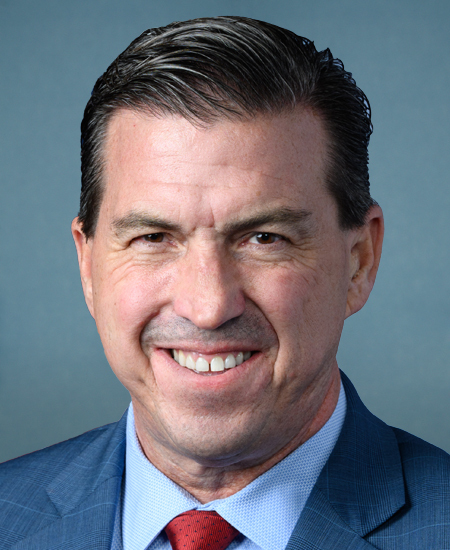
Lizzie Fletcher, TX
“I want you to support this bill. This bill is about studying AI. The study is for the electric grid. Some AI data centers hurt the grid. But AI can also help the grid. I want guardrails on data centers anyway. This bill does not stop me from pushing for those guardrails. But this bill is bipartisan. It is a straightforward bill. The government will study how AI can help the grid. Then the government will report to us. I want you to vote yes.”
“I want the House to pass this bill. Data centers for AI use a lot of electricity, which strains our power grid. But AI can also help us find weak spots in the grid and connect new power plants faster. This bill tells federal energy agencies to study how AI can make the grid more reliable and report back to Congress.”
“Madam Speaker, I yield myself such time as I may consume. Like many of my colleagues and constituents, I am concerned about the impacts that data centers fuelling AI technologies are having on the affordability and reliability of our Nation's power grid, absent guardrails from Congress. Those concerns are only growing. However, AI can also be deployed to help mitigate some of the stress on our grid by making it easier to model a complex grid to see where reliability issues may emerge in the future or by cutting down on the length of time that grid operators take to review a power plant's application to connect to the power grid. H.R. 9339 is a straightforward, bipartisan bill. It requires the Department of Energy, the Federal Energy Regulatory Commission, and the North American Electric Reliability Corporation to study how to use artificial intelligence and other computing tools to enhance grid reliability and to report those findings back to Congress. Nothing in this bill means that I or my colleagues will pause our efforts to put commonsense guardrails on data centers to protect American families, but we want to make sure we can get the most out of these technologies at the same time to better protect our grid in an era where the risk of blackouts is rising. Madam Speaker, I urge my colleagues to support this bill, and I reserve the balance of my time.”
Madam Speaker, I yield myself such time as I may consume. Like many of my colleagues and constituents, I am concerned about the impacts that data centers fuelling AI technologies are having on the affordability and reliability of our Nation's power grid, absent guardrails from Congress. Those concerns are only growing. However, AI can also be deployed to help mitigate some of the stress on our grid by making it easier to model a complex grid to see where reliability issues may emerge in the future or by cutting down on the length of time that grid operators take to review a power plant's application to connect to the power grid. H.R. 9339 is a straightforward, bipartisan bill. It requires the Department of Energy, the Federal Energy Regulatory Commission, and the North American Electric Reliability Corporation to study how to use artificial intelligence and other computing tools to enhance grid reliability and to report those findings back to Congress. Nothing in this bill means that I or my colleagues will pause our efforts to put commonsense guardrails on data centers to protect American families, but we want to make sure we can get the most out of these technologies at the same time to better protect our grid in an era where the risk of blackouts is rising. Madam Speaker, I urge my colleagues to support this bill, and I reserve the balance of my time.