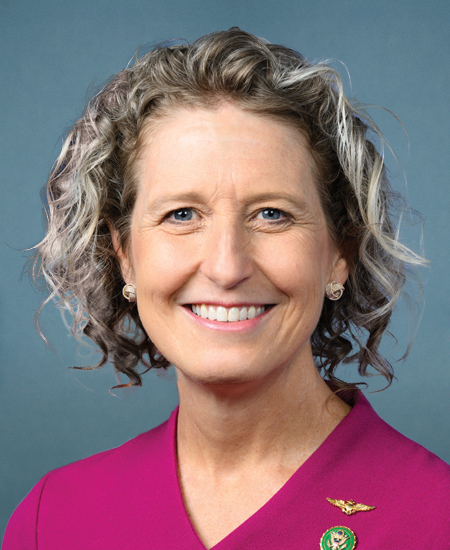
“I move that we pass this bill. The bill will let the government hire local lifeguards if federal beaches are short-staffed. The government will pay the local agencies for the costs.”
“I want the House to pass this bill. It makes sure there are enough lifeguards at federal beaches and swimming areas.”
“Mr. Speaker, I move to suspend the rules and pass the bill (H.R. 5063) to ensure continuity of staffing at Federal beaches, and for other purposes, as amended. The Clerk read the title of the bill. The text of the bill is as follows:”
Official Congressional Record
Mr. Speaker, I move to suspend the rules and pass the bill (H.R. 5063) to ensure continuity of staffing at Federal beaches, and for other purposes, as amended. The Clerk read the title of the bill. The text of the bill is as follows:
“This bill helps the government hire local lifeguards if federal beaches are short-staffed. The government pays the local agencies for the costs. I want to thank Rep. Kiggans. She introduced the bill after her constituents had problems at Assateague Island. This bill is a good solution. I want my colleagues to vote yes on this bill.”
“I want the House to pass this bill. Federal beaches often have lifeguard shortages. This bill lets federal agencies hire and pay local lifeguards to keep swimmers safe.”
“Mr. Speaker, I yield myself such time as I may consume. Mr. Speaker, I rise in support of H.R. 5063, the Safe Beaches, Safe Swimmers Act, which is championed by Representative Jen Kiggans of Virginia. Each year, millions of Americans visit our Federal lands to spend time outdoors with their families. Whether they are hiking a trail, camping, fishing, or spending a day at the beach, visitors should be able to safely enjoy the incredible recreation opportunities our public lands provide. At federally managed beaches and swimming areas, lifeguards play an important role in keeping visitors safe, but when Federal agencies experience lifeguard staffing shortages, they do not always have the flexibility to quickly fill those gaps, even when trained local lifeguards may be available to help. Representative Kiggans' bill provides a commonsense solution. Her legislation allows the National Park Service, U.S. Fish and Wildlife Service, Bureau of Land Management, and Bureau of Reclamation to partner with local government agencies to provide lifeguard services when Federal lifeguards are in short supply at designated swimming areas. Under these agreements, local lifeguards can provide services visitors depend on, including water rescue and first aid, during the peak summer season. Representative Kiggans' legislation recognizes that the Federal Government cannot always solve staffing challenges quickly. When qualified local partners are willing and able to help keep visitors safe, Federal land managers should have the flexibility to work with them. These partnerships can help maintain lifeguard coverage, support continued public access, and make sure families can enjoy some of our country's most popular outdoor recreational activities. Mr. Speaker, I again thank Representative Kiggans for her leadership on this legislation introduced after her constituents highlighted lifeguard shortages that limited access and impacted safety at Assateague Island National Seashore. She worked diligently with her local community and National Park Service leadership to find a solution that will not only help keep her constituents and visitors safe but also ensure millions of visitors can continue to enjoy Virginia's pristine and world-class beaches. Mr. Speaker, I urge my colleagues to support H.R. 5063, and I reserve the balance of my time.”
Official Congressional Record
Mr. Speaker, I yield myself such time as I may consume. Mr. Speaker, I rise in support of H.R. 5063, the Safe Beaches, Safe Swimmers Act, which is championed by Representative Jen Kiggans of Virginia. Each year, millions of Americans visit our Federal lands to spend time outdoors with their families. Whether they are hiking a trail, camping, fishing, or spending a day at the beach, visitors should be able to safely enjoy the incredible recreation opportunities our public lands provide. At federally managed beaches and swimming areas, lifeguards play an important role in keeping visitors safe, but when Federal agencies experience lifeguard staffing shortages, they do not always have the flexibility to quickly fill those gaps, even when trained local lifeguards may be available to help. Representative Kiggans' bill provides a commonsense solution. Her legislation allows the National Park Service, U.S. Fish and Wildlife Service, Bureau of Land Management, and Bureau of Reclamation to partner with local government agencies to provide lifeguard services when Federal lifeguards are in short supply at designated swimming areas. Under these agreements, local lifeguards can provide services visitors depend on, including water rescue and first aid, during the peak summer season. Representative Kiggans' legislation recognizes that the Federal Government cannot always solve staffing challenges quickly. When qualified local partners are willing and able to help keep visitors safe, Federal land managers should have the flexibility to work with them. These partnerships can help maintain lifeguard coverage, support continued public access, and make sure families can enjoy some of our country's most popular outdoor recreational activities. Mr. Speaker, I again thank Representative Kiggans for her leadership on this legislation introduced after her constituents highlighted lifeguard shortages that limited access and impacted safety at Assateague Island National Seashore. She worked diligently with her local community and National Park Service leadership to find a solution that will not only help keep her constituents and visitors safe but also ensure millions of visitors can continue to enjoy Virginia's pristine and world-class beaches. Mr. Speaker, I urge my colleagues to support H.R. 5063, and I reserve the balance of my time.
“I want this bill to pass. I sponsored it. It's about keeping beaches safe. There weren't enough federal lifeguards last year in my district. Local governments paid for lifeguards instead. That should not happen. My bill lets the federal government pay back local governments when they provide lifeguards. We need to make sure beaches are safe. The federal government should be accountable. I want this bill to pass so we can help communities keep beaches safe.”
“I want the House to pass this bill. It lets the federal government partner with local towns to hire lifeguards when federal beaches do not have enough staff. It also pays those towns back for the cost.”
“Mr. Speaker, I rise today in support of my bill, H.R. 5063, the Safe Beaches, Safe Swimmers Act. I have the privilege of representing a district that lives on the beach and the bay. For families across coastal Virginia and the millions of Americans who visit our Federal beaches every year, water safety is incredibly important. Last year, we saw firsthand what can happen when the Federal Government fails to adequately staff these Federal beaches. Following a Federal hiring freeze, Assateague Island National Seashore was unable to provide its normal lifeguard coverage at the Federal beach in Chincoteague, Virginia. Families continued visiting and swimming, but the lifeguards they had come to rely on were not there. Our local leaders stepped up. The town of Chincoteague and Accomack County took on unforeseen costs to make sure lifeguards returned to the beach and families could safely enjoy the water. Our local governments should never be left scrambling to solve a Federal staffing problem on their own. That is why I introduced the Safe Beaches, Safe Swimmers Act. My bill provides a commonsense solution. When the Department of the Interior determines that a Federal swimming area is facing a lifeguard staffing shortage, it can partner with local governments to provide the necessary coverage. Importantly, when a local government steps up to provide those lifeguards, the Federal Government will reimburse it for the reasonable costs it incurs. This applies to designated swimming areas managed by the National Park Service, Fish and Wildlife Service, Bureau of Land Management, and Bureau of Reclamation that are normally monitored by Federal lifeguards. Mr. Speaker, this bill is about public safety, accountability, and giving our communities a solution when Washington falls short. I am grateful to the local leaders on the Eastern Shore who worked with us after seeing this problem firsthand. I am proud that we have an opportunity to make sure communities across the country have another tool to keep their beaches safe. No family visiting a Federal beach should have to wonder whether a lifeguard will be there if and when an emergency happens. Mr. Speaker, I urge my colleagues to support the Safe Beaches, Safe Swimmers Act.”
Official Congressional Record
Mr. Speaker, I rise today in support of my bill, H.R. 5063, the Safe Beaches, Safe Swimmers Act. I have the privilege of representing a district that lives on the beach and the bay. For families across coastal Virginia and the millions of Americans who visit our Federal beaches every year, water safety is incredibly important. Last year, we saw firsthand what can happen when the Federal Government fails to adequately staff these Federal beaches. Following a Federal hiring freeze, Assateague Island National Seashore was unable to provide its normal lifeguard coverage at the Federal beach in Chincoteague, Virginia. Families continued visiting and swimming, but the lifeguards they had come to rely on were not there. Our local leaders stepped up. The town of Chincoteague and Accomack County took on unforeseen costs to make sure lifeguards returned to the beach and families could safely enjoy the water. Our local governments should never be left scrambling to solve a Federal staffing problem on their own. That is why I introduced the Safe Beaches, Safe Swimmers Act. My bill provides a commonsense solution. When the Department of the Interior determines that a Federal swimming area is facing a lifeguard staffing shortage, it can partner with local governments to provide the necessary coverage. Importantly, when a local government steps up to provide those lifeguards, the Federal Government will reimburse it for the reasonable costs it incurs. This applies to designated swimming areas managed by the National Park Service, Fish and Wildlife Service, Bureau of Land Management, and Bureau of Reclamation that are normally monitored by Federal lifeguards. Mr. Speaker, this bill is about public safety, accountability, and giving our communities a solution when Washington falls short. I am grateful to the local leaders on the Eastern Shore who worked with us after seeing this problem firsthand. I am proud that we have an opportunity to make sure communities across the country have another tool to keep their beaches safe. No family visiting a Federal beach should have to wonder whether a lifeguard will be there if and when an emergency happens. Mr. Speaker, I urge my colleagues to support the Safe Beaches, Safe Swimmers Act.
“I agree with the other person. I want this bill to pass. Thank you.”
“I want the House to pass this bill.”
“Mr. Speaker, I once again thank Representative Kiggans for her leadership on this issue and for her valuable service as a vital member of the House Committee on Natural Resources. I urge my colleagues to support H.R. 5063, and I yield back the balance of my time.”
Official Congressional Record
Mr. Speaker, I once again thank Representative Kiggans for her leadership on this issue and for her valuable service as a vital member of the House Committee on Natural Resources. I urge my colleagues to support H.R. 5063, and I yield back the balance of my time.