Legislative Session

Official Congressional Record (opens in a new tab)

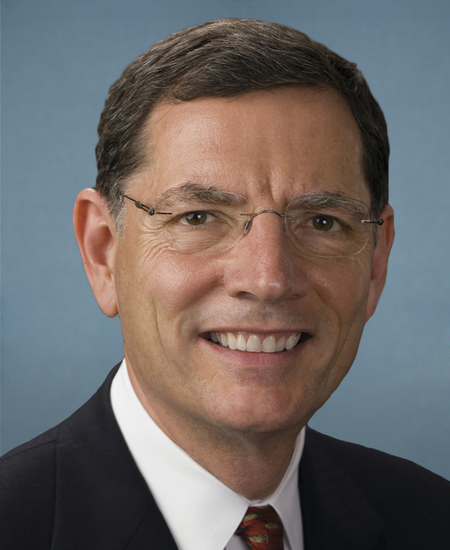
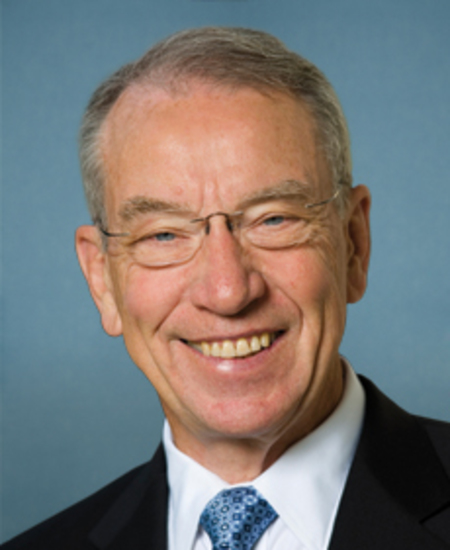
Chuck Grassley, IA

Republican

Linked statement

“Today is Constitution Day. The Constitution is good. It protects people from government. Some people in the Democrat Party want to change it. They want to abolish the Senate and get rid of checks and balances. They want a European-style government. That is bad. The Constitution is old and good. I hope people think about freedom today.”
79% shorter Analysis
Official Congressional Record

Mr. President, today is Constitution Day. On September 17, 1787, 39 delegates signed the U.S. Constitution in Philadelphia. They set forth an experiment rooted in American exceptionalism: Government authority comes from ``We the People,'' the first words of the preamble to the Constitution. The U.S. Constitution is the only founding document of any country in the history of humankind that is meant to protect the people from the government. Other constitutions throughout history were written to give the government power over the people. That is why the United States is unique, and that is why we continue to say that the United States is an exceptional system of government. There are some in this country who want to fundamentally change the U.S. Constitution. In recent months, there is an organization within the Democrat Party that call themselves the Democratic Socialists of America. Their document wants to abolish the Senate. That document would uproot our system of checks and balances. That system would rip up our Constitution and draft a new one--particularly when some of them are saying they want a parliamentary system of government like other countries, particularly in Europe, have. Democratic socialism of America is antithetical to America's promise of prosperity and the founding principles enshrined in our great Constitution. The U.S. Constitution is now 239 years old this very day, and the principles that it embodies are timeless. On this Constitution Day, September 17, it is my hope that Americans of all ages will reflect upon the blessings of freedom handed down from one generation to the next. I yield the floor. I suggest the absence of a quorum.

John Thune, SD

Republican
“I traveled around my state. I went to fairs and talked to farmers. I like the Republican farm bill. I don't like that Democrats opposed it. I also visited small businesses and military sites. I want people to know I'm working for them.”
93% shorter Analysis
Official Congressional Record

Mr. President, late summer in South Dakota is one of my favorite times of the year. And as usual, I spent a lot of it crisscrossing the State, talking to South Dakotans and seeing some of the great things that are happening from Sisseton to Spearfish to Sioux Falls. Late summer, of course, is fair season, and I made the rounds of multiple fairs: Brown County, Turner County, Butte-Lawrence Counties, the State fair, Dakotafest. I love the chance to meet so many South Dakota families and to hear what is on their minds. And, of course, if I can eat a little fair food while I am at it, it is even better. I particularly value the opportunity I have at these fairs to hear from the men and women of South Dakota's leading industry, which is agriculture. The Aberdeen Area Chamber of Commerce hosted a terrific agribusiness meeting at the Brown County Fair, and the Dakotafest congressional forum always provides me with a lot of valuable feedback from South Dakota farmers and ranchers. Outside the fair circuit, I also had the chance to talk to South Dakota ag producers at a number of other stops, including the CHS Southwest Grain elevator in Lemmon and the Midwest Agricultural Export Summit. Farmers and ranchers are facing a lot of headwinds right now, and I am committed to do everything I can in Washington to help producers. I am proud that the Republicans' Working Families Tax Cut legislation strengthened a number of programs producers depend on, such as crop insurance and commodity and livestock programs. And while I am disappointed that my Democratic colleagues have chosen to put politics ahead of producers and unanimously opposed the farm bill, which was voted on yesterday at the Senate Ag Committee, I haven't given up. Another big perk of the past few weeks has been the opportunity to visit South Dakota small businesses. I got to tour Gameday Social's new headquarters in Sioux Falls, sit down with ranchers and other community leaders at the Lazy Spurr in Bison, tour Woodland Cabinetry in Sisseton, and more. I love hearing from small business owners about how the Working Families Tax Cut is helping their businesses, and I value the opportunity to hear what else we can do in Washington to help small businesses grow and thrive and create jobs. It is always an honor to get to talk to the men and women who put their lives on the line to protect their fellow Americans. Over the past few weeks, I had the chance to visit with South Dakota sheriffs at a roundtable in Flandreau, chat with members of the Lemmon Volunteer Fire Department, and show the Under Secretary of the Army around Ellsworth Air Force Base. Anticipation is building for the arrival of the B-21 bomber, which is the future of the long-range strike, and we had some great discussions about the preparations that are underway. We also had the opportunity to meet with leaders of the South Dakota industrial base and academia about their contributions to the joint force, like the work that VRC Metal Systems in Box Elder is doing on cold-spray maintenance technology. There were so many other great moments from my travels: getting to tour Spearfish High School's Career and Technical Education Center; visiting Dakota State's Applied Research Corporation to discuss how South Dakota can be a leader in cyber security and national intelligence; interacting with students at Black Hills State University; participating in the groundbreaking of the James Abdnor Center for Advanced Manufacturing at Southeast Technical College, which is a deeply meaningful moment for me as a former Jim Abdnor staffer. Late summer in South Dakota can't be beat, and I am very proud to be from our great State. I yield the floor. I suggest the absence of a quorum.

John Barrasso, WY

Republican
“I am speaking on Constitution Day. A young visitor reminded me. The Constitution is 237 years old. It is important. It starts with 'We the People'. John Jay wrote about what unites us. President Trump and Republicans are defending the Constitution. We are confirming judges who follow the law. We are giving power back to the people and states. Democrats do not value the Constitution. They are attacking it. They want to take away guns. They want to get rid of the Senate. Senator Booker called the Senate 'problematic'. Democrats want Congress to elect the President. They want to abolish the Supreme Court. Their ideas are extreme and dangerous. People who want to tear up the Constitution can't be trusted. Republicans will defend American values.”
84% shorter Analysis
Official Congressional Record

Mr. President, I come to the floor today on a day that we celebrate the Constitution, the U.S. Constitution. It is interesting. I met with a 12-year-old visitor to the Capitol here today. His name is George Barozzini. He said, ``You know today is Constitution Day.'' Well, he is absolutely right, and it is delightful to know that a 12- year-old would know that. We have the pages here. They are well aware of that because this is the anniversary of the day, 237 years ago, when 39 noble patriots, representing 12 of the Thirteen Original Colonies, signed the Constitution. In four short, handwritten pages, the structure of our government was laid out. The Constitution was a work of courageous men, men who fought and bled and sacrificed for the sake of the United States, the sake of our freedom, the sake of our liberty. Their daring produced a document that is truly unique in human history. Now, I have my own copy of the Constitution right here. It begins with three simple words: ``We the People.'' To the delegates of the Constitutional Convention, America was not a fuzzy idea; it was one people and one land, united for one purpose. And the purpose, of course, was to secure the blessings and liberty to ourselves and our posterity. In Federalist No. 2, John Jay, one of the authors of the Federalist Papers, he cataloged what unites us as a nation. It is our shared heritage, our shared language, and our shared belief in the same God. It is our shared principles of government, our common culture, one nation's shared sacrifice in the Revolutionary War. On this basis, our Constitution has endured for more than two centuries. It remains the fountain of American glory, American greatness, and American self- government. Today, President Trump and Republicans are fighting to uphold the Constitution and unite the American people. We are confirming judges who follow the Constitution, judges who apply the law, who don't try to legislate from the bench. We are restoring power to the people and the States. We are removing power from unelected bureaucrats in Washington, DC. Under President Trump and Republicans, the Constitution is respected once again. By contrast, the left doesn't really value the Constitution, let alone will they be celebrating it today. That is why the American people have never been more worried or more alarmed by the direction of today's Democrat Party. It is true. Democrats have launched a full frontal assault on the core principles of America. They are ignoring our laws, they are violating our sacred values, and they seem to be trying to destroy our way of life. Democrats have now come out with an extreme manifesto. Their manifesto dismantles the Constitution. It diminishes our American spirit. It betrays Americans' trust. The lead three articles of the Constitution compose our system of government, three branches of government, and Democrats today are attacking all three of those branches simultaneously. Additionally, a number of their nominees are attacking the Bill of Rights. They are after the whole thing. The Democrat nominee in Michigan wants to take away our guns, our Second Amendment rights. The Democrat manifesto calls for abolishing the U.S. Senate--get rid of the whole thing. Well, the Constitution guarantees equal representation of the States in the Senate regardless of the population of the State, and that includes my home State of Wyoming and your home State of Montana. Senator Booker, the Democrat from New Jersey, said recently in an interview that this article I pillar of the Constitution--he described it as ``problematic.'' Apparently, we are problematic. No, Senator Booker. What is truly problematic is that thousands of illegal immigrants were registered to vote in your State of New Jersey. That is problematic. Additionally, the Democrat manifesto calls for getting rid of the Presidency as we know it. Under the Democrat manifesto, Congress would elect the President--and that is a Congress without a Senate. Additionally, the Democrat manifesto calls for abolishing the Supreme Court--a Supreme Court as appointed by the President and confirmed by this body, the Senate. What the Democrats are proposing is radical, it is extreme, it is dangerous, it is scary, and they are standing by it. The simple truth is people who want to tear up our Constitution cannot be trusted to build up our country. They can't be trusted to keep our Nation safe. They can't be trusted to keep our Nation secure. Republicans are going to continue to defend America's history, our American values, and our American greatness. I yield the floor. I suggest the absence of a quorum.

Charles E. Schumer, NY

Democrat
“Donald Trump is bad. He is helping China get AI chips. That hurts America. We have a bill to stop it. He should sign it. Trump caused inflation. His tariffs and war made things expensive. The Fed raised rates. That is his fault. He says affordability is not real. That is stupid. He is a billionaire. He does not care about regular people. We tried to stop his tariffs. Republicans blocked us. They will pay in November. Trump's Iran war is bad. It cost $38 billion and $100 billion in gas. He says it is cheap. It is not cheap. He does not care. Eighteen soldiers died. Iran is worse. We will vote to stop the war. Republicans should join us.”
90% shorter Analysis
Official Congressional Record

Mr. President, first on China and AI, the evidence for the potential dangers of unchecked AI continue to grow and grow, but Donald Trump keeps brushing off America's concerns about AI's risks. Trump justifies his support for unregulated AI by saying that is how we beat China in the AI race, but his refusal to join us in blocking the sale of the most advanced chips to China does the opposite: It lets China get ahead of us. The best tool we have to outcompete China and curb the CCP's AI ambitions is by prohibiting their access to the most advanced AI chips and manufacturing equipment. I have been saying it for years. A group of us have introduced bipartisan legislation to the NDAA to stop it. National security experts agree that we have to stop the sale of these chips to China. Many of my Republican colleagues agree. But Trump doesn't, and he is the biggest barrier standing in the way. Trump keeps saying he wants to curb China, but he keeps standing in the way of the best method we have to make sure China doesn't get ahead of us and beat us in this competition over what to do with AI. Stop selling them the most advanced chips, Donald. Donald, listen already, because you are hurting America and making the world more dangerous by what you are doing on these chips. Donald, if you want to get a leg up on China over AI, join us in stopping them from getting our chips, plain and simple. Trump could protect this technology and America's lead in the AI race today. Before Trump meets with Xi Jinping next week, he needs to draw a line in the sand and say that blocking the Chinese Communist Party's access to our cutting-edge AI technology is nonnegotiable. This was a longstanding policy of the America Government, of both parties, until Trump started listening to his cronies that America's security was up for negotiation with our enemies. We need to reject the false choice Trump keeps presenting. We can both maintain our lead in the AI race by restricting China's access to our technology, and we can put up guardrails to mitigate AI's risk at the same time. These goals are not mutually exclusive. In fact, they are fundamentally intertwined. AI development that leads to a catastrophic event and the loss of public trust will undermine America's leadership. Democrats are working on measures to accomplish both these priorities, and Republicans need to get on board before it is too late. Make no mistake, without guardrails to ensure safe, sustainable AI innovation--and there is a lot of good that can come from the transformational innovation of AI--the AI race will become a race to the bottom, and that is no victory for the American people. Mr. President, on interest rates, every day, we see how much the chaos Donald Trump injects into our economy costs the American people. Yesterday, the Federal Reserve increased interest rates for the first time in 3 years to fight Trumpflation fueled by the President's tariffs and the disastrous war against Iran. Everything is going to become more expensive because Donald ``I love inflation'' Trump is doing everything he can to drive up costs. Every time an American takes out a loan for a house, a car, a credit card, or anything else, they are going to get settled with higher interest payments. Trump indulges in his chaos and corruption; Americans pay more. It is as simple as that. Instead of doing anything to bring down costs, to stop his tariffs, to end his war, Trump does what he always does and calls ``affordability'' a ``made up'' word. This man doesn't get it. He said it again in North Carolina just yesterday. Does Donald Trump think North Carolina voters think that ``affordability'' is a made-up word? Does Donald think that when North Carolina families sit around the kitchen table and figure out which bills they can afford to pay and not afford to pay, that that is made up? When he says these things in North Carolina, he may be saying it to a few hundred of his MAGA supporters, but the rest of North Carolina hears it and says: I don't want this guy, and I don't want a Senator who is going to go along with it. Only Trump could look at this economic pain he has inflicted on the American people and claim he is the victim. Donald, if the word ``affordability'' bothers you so much, then do something about it. Stop with the pity party. Trump also bashed the Federal Reserve Board for simply doing its job and renewed his threat to cut off a vast swath of U.S. trade if the Fed refuses to lower interest rates. Donald Trump wants to hold the American economy hostage and demand the Fed pay the ransom. Trump isn't doing anything to lower costs, and neither are Senate Republicans. Just yesterday, I pushed to pass my legislation to end Trump's tariff tax and deliver some relief to American families. Who blocked it? Senate Republicans, of course. That was the Republicans' first chance to lower costs for Americans since we have been back from our State activities for 5 weeks, and based on their schedule, it is also likely Republicans' last opportunity to stop Trump's costly tariffs before election day. Instead of lowering families' costs, Republicans voted against us. Again, the bottom line: This may have been the last opportunity to get rid of these tariffs, which are raising Americans' costs, before Leader Thune calls the session to a close. Republicans better get ready to pay a political cost in November on par with the economic costs they have inflicted on the American people. America doesn't like it. Mr. President, finally, on the Iran war, well, Trump continues to downplay the severe costs of his failed war in Iran. This week, we learned that the war has cost the Pentagon at least--at least--$38 billion and American motorists over $100 billion in extra gas costs. I saw on TV this morning that the price is approaching $4.40 a gallon, and it keeps going up. And the $38 billion is just a minimum estimate. But, yesterday, campaigning in North Carolina, Trump said the hundreds of billions of dollars he is burning on this war is ``a very inexpensive price''-- those are his words--``to pay for what we've done'' in Iran--spoken like a billionaire who has never filled his own gas tank 1 day in his life. Earth to Trump: $4.50 a gallon for gas and a record $6.40 a gallon for diesel isn't inexpensive for working Americans. What exactly does Trump think this cost has gotten the American people? Is it the Iranian regime in Tehran that is even more radical than before the war? Is it Iran's tightening grip on the Strait of Hormuz and other key shipping choke points. How about the 18 brave U.S. servicemembers killed, hundreds more wounded, tens of thousands kept in harm's way for months and months on end? The only thing Trump has done in Iran is make everything worse. How can my Republican colleagues go along with this? Senate Democrats--make no mistake about it--Senate Democrats will push for another vote on a War Powers Resolution next week to bring our troops home and will continue to force votes until Trump ends his Iranian blunder. Senate Republicans have a choice: Keep forcing Americans to pay the cost of Trump's forever war or stop kissing the ring and join us in it. I yield the floor.

Richard J. Durbin, IL

Democrat
“I want to tell a story. A former senator had cancer. He survived. Medical research saved him. That proves we need more medical research. I worked with other senators to increase funding. We raised it from $30 billion to $49 billion. Now Trump wants to cut it. That is bad. He also wants to move money from medical research to the military. That is also bad. The military has a lot of money. Medical research needs it more. Trump is always trying to cut medical research. That is bad. Also, air traffic controllers were promised a 2.8-percent pay raise. They only got 1 percent. The administration says they need to be more productive. That is wrong. They work hard. They need the money. Give them the full raise.”
91% shorter Analysis
Official Congressional Record

Mr. President, I have been through a lot of events on Capitol Hill in my life. There was one, last night, that was worth remembering. It was a gathering for a rally for medical research investment by Congress and the President for the good of all of our country and beyond, and there was one presentation which really had an impact. A former colleague of ours in the U.S. Senate, Ben Sasse of Nebraska, is fighting a heroic battle against cancer. He was diagnosed quite a few months ago with pancreatic cancer, and it spread throughout his body. I recall when it was first reported. Senator Sasse was candid, honest, and levelheaded in saying this is considered a death sentence, but we are going to fight it. Well, there he was last night and in communication with this group that gathered on Capitol Hill--doctors and researchers and scientists from all over the United States--to report on his progress. Nine months after they predicted he would not survive, he has survived. He talked about the fact that he was going to enjoy a meal with his family, and he counted every meal that he had with his family as a triumph over the early predictions that it would never happen. The reason I raise that point is that there are a lot of issues that come before us in Congress, and there are a lot of political opinions on those issues. What I have found over the years is that a few issues transcend politics. Medical research is one of those issues. It is a situation where I don't care if the researcher, scientist, or doctor is a Democrat or a Republican or even votes. I want to know if they are doing worthwhile research that can lead to cures, can save lives. Most every one of us has been in the circumstance where some terrible diagnosis comes out affecting someone in your family or someone you love. One of the first questions you ask, of course: Is there anything we can do? Is there a drug? Is there a surgery? Is there a procedure? Hoping beyond hope that there will be good news and at least the promise, the possibility of the one you love being spared--medical research does that. When I had a chance, about 12 years ago, to go to the National Institutes of Health, which is the premier medical research agency in the world--in the world--I met with Dr. Francis Collins. He is a legend. He served under Presidents of both political parties, headed up the NIH, and was really part of the solution and cures of so many things in front of us. And I asked him, when I visited 12 years ago: What can I do, as a Member of the Senate, to help medical research in America? And he said: Senator, if you can just give us 5 percent growth each year on a consistent basis, my researchers will have confidence that they can stick with their research and maybe find that cure. But when you go up and down with the research money, it is almost impossible to get that level of confidence. That inspired me to come back to Capitol Hill to meet with then- Republican Senator Roy Blunt of Missouri, who chaired the subcommittee that funds NIH, and I told him that story about Dr. Collins. So Roy Blunt and I, a Republican and a Democrat, reached out to enlist people to gather support in our cause, 5 percent real growth each year. Among those who were contacted was Patty Murray, who has been committed to medical research throughout her Senate career, as the ranking Democrat on the Senate Appropriations Committee, and Senator Susan Collins of Maine, who is now chairperson of the Senate Appropriations Committee, and many others. It was a bipartisan effort, and it was successful. Over the last 10 years, we have increased the spending for medical research at NIH from $30 billion a year to $49 billion a year. That substantial 60 percent increase was what Dr. Collins was asking for. Now, we have challenges that we have to face. The administration, in the first two budgets of the second Trump administration, has asked for dramatic cuts in medical research. You didn't hear me wrong. They have asked for dramatic cuts in medical research. And you say to yourself: Why? Why in the world would we take a step backward when it comes to medical research? Our former Senator Ben Sasse is living proof--living proof--that ``research leading to cures'' works. It is the right investment. Ask any family who is facing a terrible disease if research is important to them, and you know the answer already. So now comes a proposal from the Trump administration, not only on the budget to cut the NIH, but the Department of Defense and the National Institutes of Health have supposedly reached a 10-year agreement--these two Agencies. The Department of Defense, of course, is the largest Department in the Federal Government. The NIH is far from the largest. The agreement sets up a path for the Department of Defense and NIH to collaborate on chemical and biological defense research and development. That is a good thing, isn't it? Of course, it is. But who is going to pay for it? Who is going to pay for this research? The Department of Defense, which has a trillion-dollar annual budget--a trillion-dollar annual budget? Or is it the NIH, an Agency that struggles at $49 billion to fight off cuts in the budget proposed by the President? If you guessed the NIH, you are right. You see, what the announcement failed to mention was that this so-called agreement at the Department of Defense and NIH, which costs as much as $2 billion, is being paid for by virtually eliminating the National Institute of Allergy and Infectious Diseases. Let's be honest about this. A move to siphon funds away from the Nation's premier medical research Agency, which struggles with lifesaving research, to further bankroll the Pentagon, the most heavily funded Agency in our government--what is wrong with this picture? By implementing this agreement, the Trump administration will, once again, undermine the NIH, when they should be boosting it, supporting it, on a bipartisan basis. Since day one, the Trump administration has been hellbent on cutting NIH funding. This latest decision is another foolish gesture on their part, which should be stopped in its tracks. For years, this investment and research at NIH have been worthwhile. This proposal to transfer one-third of the Agency's budget on infectious diseases is a mistake. DOD is increasing its investments in medical research, and that is a good thing, I have been a supporter of that myself, when I chaired the subcommittee of appropriations on defense spending. But we need to be committed all the way when it comes to funding NIH. Mr. President, I want to talk about the treatment of air traffic controllers by this administration. Later this afternoon, I will take an airplane ride from Washington to Chicago. I think it is likely to happen today, if the Senate schedule allows it. Once again, as I have done hundreds of times--literally thousands of times--I will entrust my safety, my future, and my survival to a competent aircrew, as well as the air traffic controllers of America. It is one of the most stressful jobs in the world. They work 6-day weeks. Unfortunately, there have been proposals that they should not receive the pay raise that was promised. In April, Congress authorized a 2.8-percent pay increase for our Nation's air traffic controllers. It should be a priority. Instead, they have only received 1 percent of the 2.8 percent. This wasn't a mere oversight. It was intentional, and the administration admitted it. In a recent interview, the FAA Administrator Bryan Bedford was asked what was delaying this payment to the air traffic controllers. He told the reporter the administration needs to ``unlock more productivity,'' and that the data regarding controller productivity is ``really, really poor.'' I would like to quote Secretary Duffy back to his own Agency head, by saying: ``[Controllers] need support [and] they need money. . . . '' We are currently understaffed when it comes to air traffic control. They are working 6 days a week on one of the most stressful jobs. Give them the pay raise that we promised, and do it in a timely fashion. I yield the floor.

Maria Cantwell, WA

Democrat

Translation coming soon.

Official Congressional Record

Mr. President, I rise today to urge my colleagues to proceed in continuing an important discussion on the Protect College Sports Act. This historic, sweeping legislation, formed in a bipartisan fashion by my colleagues Senator Schmitt, the Presiding Officer, Senator Coons, Senator Welch, Senator Capito, Senator Hickenlooper, Senator Ricketts, Senator Lujan, Senator Hoeven, and Senator Cruz and myself, is a bipartisan effort to try to bring some reason to the craziness that has basically been plaguing the most important aspects of college sports. This legislation is historic in the fact that it puts into law 12-- more than a dozen, I should say--important provisions that help athletes and protect them for the future. First and foremost, it recognizes in a Federal law that athletes deserve not only NIL--which is name, image, and likeness--rights and to protect those rights, but athletes deserve to have revenue sharing. This is so critical, and I will expound on it in a while. It also gives athletes 5 years of eligibility for the first time, which is historic in us giving that at the Federal level. It requires women to have the same comprehensive standards as men do, when you are talking about championships and playoffs. It preserves women and in Olympic roster slots that are the large percentage of athletes that we are trying to protect in this bill. While we are very happy that there is a first Federal law recognizing revenue sharing and recognizing NIL rights, we also have to understand that there are lots of athletes--500,000 athletes--that are part of this ecosystem, and we care a lot about the women in Olympic sports, and we don't want to see those slots cut, which is exactly what has been happening. It requires college sports to make content available, not behind a paywall. If there is nothing else in this bill that you should vote for, you should show your anger at the fact that your favorite college sport content keeps getting put behind a paywall, and somebody is making you pay for it. This says that that content needs to be available to you regionally, in your local area. It has a $900,000 authorization for Black colleges to help them and their broadcasting of sports be more competitive for the future. It has whistleblower protections, including first-time ever whistleblowing protection for title IX. It grants athletes scholarship and health protections for the 5 years that they are in their college academic environment and for the 5 years after that. It protects the future of college sports by creating a Commission made up of athletes to talk about how we move forward on issues like collective bargaining, revenue sharing, and making sure that we don't see more cuts. It basically puts transfer sensibility into law so that it makes sure that we are keeping students focused on academics and education. It does constrict coaches and where the money for coaches can come from--not from taxpayers--but, instead, making sure that they continue to only receive from endowments or other revenue. It makes sure that there is transparency in the law because right now the problem with the rising costs in college athletics is not the fact that we were willing to pay athletes because we said: Here, we are enshrining in law for the first time NIL rights and athletes' revenue rights. But what we are not going to put up with is booster backdoors that basically inflate with no rationale for why and where the money is coming from. We are bringing transparency to the system. We are also saying you can't go back. You can't play in the pros and go back to college. We are not interested in having some 27-year-old pro college player beating up on a 19-year-old who is basically just entering his college academic career. And, yes, we have regulations on agents, agents who now like to call themselves athlete advocates. It is just a euphemism because what they really want is money. They are taking advantage of high school athletes, making them sign a contract, and then repossessing their cars--this is what Coach Bowles has told us--when they can't get them an NIL deal. We allow for the prosecution of misrepresentation by agents, by the FTC, and our attorneys general. And we continue to put the language into the bill that makes sure that only legitimate deals recognized in the settlement agreement, based on market value, are recognized so we can bring stability to this situation. So let me go over this for a second, starting with women and Olympic sports. I became very moved by the story of college and Olympic sports. In fact, I am glad to see Senator McConnell back on the Senate floor because he and I have been having this conversation now for about 3 or 4 years. He kept saying to me: Maria, what are you going to do to protect women in Olympic sports? Why? Because when the United States doesn't shine at the Olympics, then guess what. The United States doesn't shine. And I am so proud to represent the State of Washington and to know this historic story of the ``Boys in the Boat,'' who basically fought everything that people threw at them--threw at them, basically rearranging lanes, threw at them all sorts of difficulties. But guess what. Hardscrabble workingmen--including a Jewish coxswain from Montesano, WA--went there and stuck it to Adolf Hitler and what a moment for the United States of America--what a moment, what a statement for our Nation because we participated and we won. But guess what is happening now. Thousands of those roster spots are being cut. Hundreds of those programs are being cut. I swore I wasn't going to focus on this issue if I ever got into a position on the committee, but when a kid from my State--written up by Eddie Pells from the AP--told the story of how at White Pass, WA, where the Mahre brothers had skied and went on to win gold, all of a sudden a snowboarder from White Pass, WA, couldn't get covered by the Olympic team because there was no revenue. And he went and he snowboarded for Russia, and he won medals. That is when I started paying attention to this issue. I am not going to have women in Olympic sports undermined by this system. In fact, there is a poll that shows that 87 percent of the public, when polled, what do they care about this issue, 87 percent agree women and Olympic sports need to be preserved because they know that is what is unique by the system. So we are not going to let runaway boosters, who basically want no rules, and runaway agents, who want to prey on high school kids, decide what is going to happen here. So we basically are making sure, as I said, that agents have to register. They have to have documentation. They cannot misrepresent themselves. They have to comply with both the FTC and the AG and, obviously, the NCAA. This, alone, is constricting the unsavory behavior of these people, and they are the primary opposition to this bill. They are because they don't like that we are capping agent fees at 5 percent. We have to continue to make progress. Let me talk about what we are saying here about the wins in this bill as it relates to the rights of these athletes. As I said, it is a Federal recognition of NIL rights and revenue sharing, and it will be the first time that Congress, on record, is endorsing both of those. Now, I know that people think the Supreme Court decided and helped on NIL, but a court decision and a settlement agreement actually moved this along in what is called Grant House v. NCAA. That settlement agreement can disappear. That settlement agreement has had a very rough road over the last year. Many times, the parties have said they are going to pull out of the agreement. Well, it is very hard, if you have that agreement blow up, to continue to move forward. But if we pass this bill, we will--Congress-- be recognizing revenue sharing for athletes. I can't tell you how much athletes have suffered in the past, starting with athletes who basically were prohibited by the NCAA from even going into the pros--oh, and they didn't have 4 years of college--or a famous case where they said: OK. Well, we will let you have this food for athletes. You can have bagels, but you can't have the cream cheese. So I do not believe the NCAA is the proper institution to continue to regulate this sector because, yes, I agree with my colleagues who have concern. They haven't proven that they can have just recognition of these rights for athletes, but we can. We can put them into law. We can recognize them, enshrine them today, and make sure these athletes are protected forever--including the rights to not have their contracts screwed with, their rights to not have their school override them, the rights to have any amount of money that some business wants to pay them as long as it is for a valid business purpose. So these protections--along with the fact that they get a record 5 years of eligibility, 5 years of scholarship, 5 years of healthcare, and then 5 years after that on both of those--it is helping them for the future. And we are trying to help the poorest institutions meet these requirements--so medical coverage for out-of-pocket costs and helping with a $100 million fund for smaller schools to help with the significant costs that can occur in this legislation--in sports. So this is an important piece of legislation in protecting athletes. But we also have to protect the cost and the public besides women in Olympic sports. What we are seeing today is a record amount of taxpayer dollars and literally university professors being cut to pay for the unending arms race. In fact, Rutgers leads the charge, may have had 38 faculty members cut because--and people going to the institution, and they are part of the Big Ten. The reason the arms race exists is because there are rules on billionaires throwing money into the system without adhering to the settlement agreement. So, yes, our colleagues all work together to recognize the settlement agreements to help make sure that there are fair rules. I think it would be like saying: OK. Here in the U.S. Senate, let's just have each State say what members of your staff should be paid. Now, I might like that because in Washington, there are a lot of wealthy people, and I am pretty sure they could say: We could make a lot of money here representing the State of Washington. OK? But some other State--Mississippi--doesn't have a chance. And so I am going to move to proceed to this bill because I want these rules put in place because sports is about any given Saturday. It is not about whether you have a billionaire in your backyard. It is about whether you can coach and recruit and develop and maintain and have academic performance and have fairness across the pages and have everybody compete and keep the ecosystem in place. But that fairness does not exist today without this bill, and people who don't want those rules--don't want those rules in place--to me, are hurting us in our overall efforts. Now, let me say something about transparency in this bill. This bill creates a public database with itemized information for all revenue sharing and NIL agreements over $600. The additional database will contain information on the total number of agreements, payments, average value of the agreements, payments on the total value of the agreements, payments on each sports program at the school. And, finally, a database will contain information about the revenues and expenditures with each sport at each school as well as the overage hours and academic outcomes for the student-athletes. So that means this bill will allow the public to see what is going on. This transparency will help us make athletic departments and their spending and this discussion much clearer. I want it to be clear because I am not for cutting university professors and having an arms race. I want to win the innovation race against China and make sure that we are investing. I want to thank my colleague Senator Lujan for his important piece of this legislation. There has been a lot of concern about skyrocketing coaches' salaries, and I welcome any amendment that anybody wants to offer on this, but so far no one has offered one that I know of. But Senator Lujan did in committee, and we did implement it. In 2025, nine football FBS coaches were paid $10 million a year, more than $100 million annually. And at the top of the market, Kirby Smart was listed at roughly $13 million in annual school pay. Ohio State's Ryan Day was at $12.5 million--eight-figure salaries that would have been almost unimaginable a generation ago in college athletics. If you had a winning team, a lot more people might get notice about your school. You might want to go to that school. I get it. But we cannot have runaway costs on athletics and basically undermine the competitiveness for only the richest schools, in which the richest donors are able to compete. This bill--thanks to the leadership, as I said, of Senator Lujan-- includes a provision that says schools with more than $80 million in athletic revenue cannot pay coaches or managers more than $500,000 unless it comes directly from donations or from the athletic department revenue. That means you can't take our taxpayer money, which is what people are doing--schools like Connecticut, schools in New Jersey, the Virginia schools, which basically have a record number of tuition costs--literally put on tuition for nonathletes--and basically you cannot do that to pay for exorbitant coaches' salaries. This bill also addresses the, frankly, outrageous practice of providing a golden parachute for fired coaches and, even if they were fired, cause their teams' loss and loss of games. In 2025--the sports reporter Ross Dellenger--a total of 15 fired coaches in 2025 was $280 million. That is why we call this the Kiffin rule, to protect college sports. What this provision does is stop a coach from abandoning one college football team in the middle of a season and start working for another one. This is unacceptable behavior. So this important legislation is making progress. This 322-percent increase in recruitment costs is not about paying athletes. These athletes deserve revenue. These athletes deserve to have their NIL deals, but we do not need to go blind to either outrageous agent contracts or outrageous boosters trying to distort the market. If these institutions and the athletes being represented in a settlement agreement can come to terms and make sure that we have rules in place, then we need to enshrine those rules in this legislation and move forward. If we do, our college athletics will be stabilized. Is this the end of this discussion? No. It is the beginning of how we continue to stabilize this. This bill also includes the future of sports Commission. The future of sports Commission, made up mostly of athletes, will discuss--once we get additional revenue into the system--how we can best protect athletes for the future and think of issues like collective bargaining or other issues that might help us best preserve this important--important--monumental contribution to our Nation. Let us not destroy the 500,000 athletes in our effort to just make sure that the 1 or 2 percent also get their financial due. Let's put rules in place and pass this important law and make sure of these protections. I know my colleagues are here, and I do want to emphasize--but maybe I will let them have their moment--how important the health and safety standards being met in this legislation are. They do allow you to take action. They do allow a State to basically help enforce these health and safety provisions. I know there's been a lot of people who say something counter to that, but trust me, this legislation is about protecting the athletes. It is about making sure they are not undermined. And it is about making sure that we move forward on legislation instead of ignoring a problem that is sucking revenue right out of our institutions that should be going for cheaper tuition and should be going to keeping our most skilled academic leaders to help our Nation be competitive. I yield the floor. The PRESIDING OFFICER (Mr. Schmitt). The Senator from New Jersey
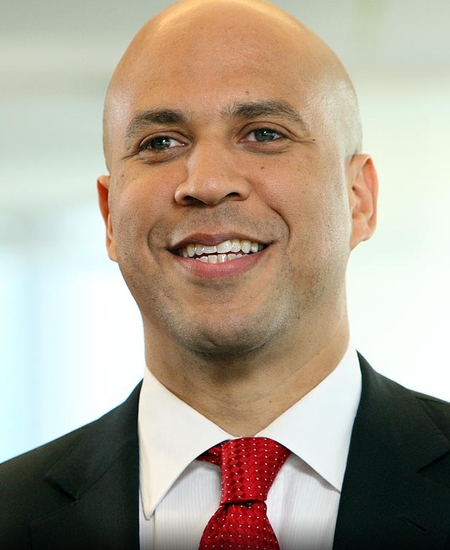
Cory A. Booker, NJ

Democrat
“I want to talk about AI. But first I have to respond to what you just said about this bill. You say it protects athletes. That is a lie. Every athlete group hates this bill. Athletes' parents hate this bill. They know it hurts athletes. It does not help them. It helps the NCAA and coaches. It gives them permanent antitrust exemptions. It gives athletes almost nothing. The healthcare fund is too small. The women's sports protections expire in 4 or 9 years. The HBCU money is authorized but not appropriated. That means it is fake money. Coaches can transfer easily. Athletes cannot. Athletes have to disclose their NIL deals. Coaches do not. This bill is a bad deal for athletes. It is a good deal for universities and wealthy interests. That is why I will keep speaking against it. I will make sure people know what it really does. I want my AI remarks to be separate from this.”
88% shorter Analysis
Official Congressional Record

Mr. President, I came down here to talk about AI. But before I give those remarks, I cannot let the comments that were just made on the floor go unrebutted point by point. I have utter frustration. There are a few things in this bill that are worthy of trumpeting. But to be on this floor and say all of this, that this is about protecting athletes, I ask one simple question, Why isn't one athlete group in this country, not one of the groups that represents athletes, trumpeting the greatness of this bill? They all know this bill undermines their rights, undermines their collective bargaining, undermines their health and safety, creates an unequal playing field for them relative to the other money interests in this bill, including the coaches. I came down here to speak about AI, which I will do in a moment, but I need to get more into the specifics because it is outrageous to come down and talk about a bill being good for athletes when athletes themselves all over this country, every organization that represents them, condemn this bill. And it is not just the athletes; it is the parents of athletes that have died because of the NCAA and what they are doing. Kids that have died of heatstroke. Kids that have been crippled by injuries. Their parents collectively have written letters to this body: Don't let this bill pass. But let me get to specifics. One, this healthcare fund. There is in this bill this idea that even 5 years of healthcare after your playing years, and a fund set up of roughly $100 million. But you know that there are tens and tens--hundreds of thousands of college athletes, many of them have crippling injuries, a fund like that is inadequate for their healthcare needs. Put that relative to what professional sports do, and you will see that it is shortchanging athletes' well- being. On this idea, secondly, that this bill somehow enshrines NIL rights, this body did nothing for generations while name and likeness was being stolen from players. Players were being exploited. This body did nothing. But as soon as athletes start winning in court, their NIL rights-- suddenly Congress swoops in and is saying that we are saving their NIL rights? That is a lie. The reality is, they don't need Congress' beneficent actions to give them NIL rights. They have earned them in the courts. What this bill actually does is, it takes away rights for them to legally challenge anything that the cartel of the NCAA does. That is why the AAJ--the trial lawyers--are against this because it undermines their ability to win more court cases in the future. Other things that are not true being said--this outrageous claim that this is somehow protecting women's sports. Well, then why didn't they permanently enshrine protections of women's sports in Olympic sports? Why in section 125 do those protections expire, 4 or 9 years down the line? Why? You are giving permanent antitrust exemptions to one of the most notorious monopolistic cartel organizations that has actually hurt women athletes, and you are allowing the protections for Olympic sports and the protections for women athletes to expire. Make them permanent then, if you are caring about that. But you are giving permanent protections? Permanent antitrust exemptions? That is outrageous. This idea that you are protecting women's sports, to me it falls flat when you read section 125 of this bill. This bill talks about what it is doing for Black colleges. There is nothing more insulting to me, as someone who has fought for HBCUs. This bill--don't be fooled--doesn't put a dollar into HBCUs. It authorizes money. I have been in the Senate for 13 years. I have seen authorizations happen but no money go to those institutions. If this was real, that HBCUs were going to benefit, appropriate the money. Don't dangle out millions of dollars and say ``Get on board on this bill'' and then be left in a situation where folks aren't getting those resources. Let me say next, this transfer sensibility. That is the quote I heard. This brings transfer sensibility. Well, I will tell you this right now. If transfer sensibility is so important for players, why isn't there transfer sensibility for the coaches? How can you allow coaches to come in a year to a school, lure athletes to their teams, they have success based upon athletes' performance, and then they can go and get the next high-paying job? This is the extraordinary problem with this bill, that it has one standard for players and another standard for coaches. And this idea that this bill somehow prevents a race to the bottom. Well, you all know that there are about 15 coaches that have over-- almost a $250 million buyout provision. And I have heard on the floor now that somehow this is going to stop the race at the bottom. It doesn't do anything for private institutions. From Notre Dame to Stanford, it doesn't touch the race to the bottom there. It doesn't touch the race to the bottom for facilities. I was a college athlete. It doesn't stop schools from rolling out greater facilities. Where is the equality in this bill that is so-called helping college athletes where every college athlete organization is against it? Let me give you another example. This idea of disclosure requirements on athletes for their NIL deals and the like. Why aren't there disclosure requirements on coaches? This bill puts redtape between athletes and their opportunities to make money, but doesn't put the same redtape between coaches. Somehow, we need transparency with athletes, but it is not with coaches. Coaches don't have disclosure requirements. Why are you treating that elite class differently than you are treating athletes? That is not true. I can go on and on and on, and I will. I will come back to this floor. I will do interviews. I am going to make sure people know the facts about this bill. Because when this bill passes, and Donald Trump and Ted Cruz and others get what they want, athletes are going to be out of luck. And when 4 or 9 years pass and Olympic sports are being cut and women's sports are being cut, a lot of people in here are going to forget the shortcomings of this bill, but I will not, and nor will athletes. This bill is a threat to college sports. It is a threat to college athletes. That is why every major organization is against it. I have more details. I will come down here and read paragraphs of this bill. I will do everything possible to put on the Congressional Record why this is a betrayal of college athletes, their safety, and their well-being. And I am not saying there are not good things in this bill. I am not saying there are not things that have been incorporated that are important. But time and time again, it comes up short. A better deal for the universities. A better deal for the wealthy. A better deal for coaches. But athletes? They get the short end of this. And that is why folks are out here doing everything they can. Athletes' groups, civil rights groups, trial lawyers, so many are saying: This is wrong. We can do better. Why are we rushing to this bill when the No. 1 issue in America right now is rising costs? Rushing to this bill, 47 days before an election, makes no sense to me. Why college athletes have not been involved with this, or their organizations, makes no sense. I would like, in the record, that my now remarks on AI be separated from these reactionary remarks to the stuff that is being said that doesn't hold true with the text of the actual bill.

Maria Cantwell, WA

Democrat
“I respect the Senator from New Jersey. I know he was an athlete. I have worked on this for 5 years. I want to clarify one point. This bill writes a settlement agreement into law. That agreement is about revenue sharing. Revenue sharing is not in Federal law right now. I want the Senator to acknowledge that.”
54% shorter Analysis
Official Congressional Record

Thank you, Mr. President. I did not want to interrupt the Senator from New Jersey because I do respect his work and passion on this issue. And I do respect that he was an athlete who had various experiences himself. For the last 5 years, I have done nothing but to try to work on this. But I did want to point out that we are, in this, recognizing revenue sharing, which is different. So I just wanted to understand if the Senator understood that point. Revenue sharing is not recognized in Federal law. It is not. Revenue sharing has only been part of a settlement agreement. But we are taking that settlement agreement and agreeing with it and putting that into law.

Maria Cantwell, WA

Democrat
“I want athletes to get money from media, ticket sales, and sponsorships. I want to write this into law. I want the other senator to agree with me. I want him to say this is important.”
3% shorter Analysis
Official Congressional Record

Yes. Because the settlement agreement could expire, I am asking the Senator if he recognizes that us putting revenue sharing--the rights for an athlete to have a percentage of media, ticket sales, and sponsorship--is an important investment.

Cory A. Booker, NJ

Democrat
“You say you want to help athletes. But you don't. This bill takes away their rights. They won rights in court. They are winning more. Now you want to stop that. You say you help athletes. But you really help rich colleges and donors. Athletes don't want your help. They don't need your help. They didn't ask for it. They are against this bill. Their lawyers are against this bill. You are hypocrites. I want this bill to fail. Now I will talk about AI.”
69% shorter Analysis
Official Congressional Record

She is talking about enshrining in law this idea of revenue sharing. Time and time again, even to the Supreme Court, when conservative Justices joined with Justices appointed by Democrats, they have affirmed college athletes' power. They have gotten power through the courts. What this does is it heads off their legal abilities by enshrining these laws. ``Let it play out in the courts'' is what every athlete organization is saying. Why are you trying to suddenly be concerned about college athletes and enshrine things that we are winning in court case after court case. This is the hypocrisy here. For years and years and years, I have watched my own image on Madden's video game--my own image--and never got paid for that. And now athletes bring it to the courts and win, time and time again? And now my colleague says: Oh, we want to rush and help athletes. That is why the colleges and wealthy donors are really excited about this bill. It is because it is going to make sure that the future lawsuits are cut off, that they have all the antitrust exemptions. Why do you think you see that the trial lawyers organizations and others who have been representing college athletes in getting them some modicum of justice are not in favor of this bill? That is rich. We don't need your help. Athletes groups don't need your help. They don't want it. They haven't asked for it. But yet, somehow, you think you are helping them, but who you are helping are the wealthy colleges. Are there any other questions before I move on to my remarks about AI?

Maria Cantwell, WA

Democrat
“I appreciate your passion. We worked on this for years. We wrote a bill together. Most of that bill is in this bill. You know there are good things in here. But I would say to my colleague--”
56% shorter Analysis
Official Congressional Record

Again, I appreciate the Senator from New Jersey's passion about this issue. As he knows, he and I have worked on this for more than 5 years, and since he has testified before the committee, I know he knows that this is not something that has just come up. And since he and I have put up a bill that was 75 percent of what this bill is, I know that he also knows there are good things in here. But I would say to my colleague--

Maria Cantwell, WA

Democrat
“You are wrong. Athletes only got money because they sued and won a big settlement. The court did not say they have a right to money. The court said Congress can take it all away. This settlement could fall apart. Our bill will make sure athletes keep getting money. This is a big deal. You don't understand that.”
61% shorter Analysis
Official Congressional Record

I am asking a question. I would respectfully say to my colleague, without the $2.8 billion record revenue-sharing agreement in what is called Grant House v. NCAA, there would not be revenue sharing. The Court has not recognized revenue sharing. If you read the decision by Kavanaugh, Kavanaugh said Congress can decide these are not employees and they do not deserve revenue. Kavanaugh's decision on NIL basically says: Congress, you can come back and say they don't deserve a damn thing. A settlement agreement by injured athletes basically got that right, but that settlement agreement is tedious and could fall apart. Our recognizing that money and recognizing the revenue-sharing rights is a historic first. So I don't know if you understand that $2.8 billion on behalf of athletes won in a settlement agreement is not a permanent right, but it will be after we pass this law.

Cory A. Booker, NJ

Democrat
“You want to talk about protecting women's sports. Fine. Why do protections for women's sports expire? But the NCAA's antitrust exemption is permanent. The NCAA is a monopoly that hurts women. That is indefensible. You can't defend that.”
66% shorter Analysis
Official Congressional Record

A settlement agreement. We are inserting ourselves between the parties to say that we know what is better than athletes being able to negotiate for themselves. You see, I paused for a question because I thought my colleague was going to try to stand up and defend section 125 because she spoke very passionately, my colleague, about protecting women's sports. Well, again, the simple question is, Why do things that protect Olympic and women's sports expire? Why does that expire and not the permanent antitrust exemptions we are giving a cartel--a monopolistic organization--that is violating the rights of women consistently? That is indefensible. The PRESIDING OFFICER (Mr. Sheehy). The Senator from Washington.

Cory A. Booker, NJ

Democrat
“I want to talk about the athlete bill. Then I want to talk about AI. The athlete bill is bad. It gives the NCAA a permanent antitrust exemption. Athletes get almost nothing. They can sue. That's it. Athletes are winning in court now. This bill takes away their leverage. The bill treats coaches better than athletes. That's not fair. Now I want to talk about AI. AI is dangerous. It could cause catastrophic harms. It's causing problems right now. AI could also be good. But we need government action. I wrote a letter in July 2023 about AI. I want the President to call a special session of Congress. We need to act now. Congress is going on recess for two months. AI won't take a break. We can't wait. The House already left town. That's ridiculous. We need to act now. The time is now.”
91% shorter Analysis
Official Congressional Record

She has worked so hard on this bill, and she has worked so hard. I don't think it is done yet. I think she would admit that there are things that we can improve. She is an extraordinary legislator, and I am sure she would admit that this bill isn't perfect and that more can be done, especially on the equity and treatment of athletes over coaches. I am sure she would say that because she said it to me. This is an extraordinary legislator on the Democratic side who has been leading this. I have reverence and respect for her. I played college football. I talk to college football players all the time. I go back and talk to college football teams. I am very involved in the space. I wouldn't be here if it weren't for being a High School All-American who got an unbelievable shot at a full scholarship at Stanford. What doesn't seem to be understood by folks is that athletes right now all across this country and their organizations are begging for this bill not to pass. What we are doing here in Congress is truly exemplary. We are giving a permanent antitrust exemption that, as conservative Justices have said, is not seen in other areas of enterprise in the United States of America--rarely seen--and we are giving few rights to athletes but that of ``Oh, you can sue.'' Well, as a guy who played and who was competing for a starting tight end position, am I going to sue my school? I have seen all of these posts by athletes saying: You have got to be kidding me. My coaches tell me to play injured. I do that. I don't sue them, when they are clearly not concerned about my well-being. Athletes have been winning in court, and now we are coming in and taking away their leverage, their bargaining power. We are settling issues that are still open. Hey, I would actually respect it if they said ``You know what, we are going to give a 10-year antitrust exemption and come back and revisit this,'' but, no, they are giving it permanently. Nobody can justify to me--nobody can--as to why college coaches don't get the exact same treatment in this bill as people who are playing on the field; why they can transfer willy-nilly; why they don't have to disclose all of their side's endorsement deals. Why are you treating the college kids differently than you are treating the coaches if it is all about the money? I am going to come down more and talk. I didn't intend to do that today. I would like to move to a separate place in the record and talk about why, with urgency, I came down here. But as a guy who played ball, I can't let this go without putting as much as I can on the Record. I was planning on coming down here, and I will. I will read sections of the bill and talk about why they are so outrageous, but let me get on with my remarks, separating them in the Record. Here we go. Mr. President, article II, section 3 of the Constitution gives the President power, on ``extraordinary occasions,'' to convene both Houses of Congress. The last time a President used that power was Harry Truman in 1948--78 years ago. We find ourselves in such an extraordinary moment. We find ourselves in a moment that demands this kind of action. The safety of artificial intelligence systems demands urgent attention. The President should immediately convene Congress to address it. This is not a moment for panic or despair; it is a moment for government to govern, to protect the American people, and to prepare soberly for risks before they become crises. Presidents have invoked this authority at moments when the stakes were extraordinarily high--from the earliest days of the Republic through periods of war, economic crisis, and national emergency. That is the purpose of this power that is spelled out in the Constitution: to bring Congress together when circumstances demand it and to give the country the full attention of its elected government. Congress will soon leave Washington for 2 months. Artificial intelligence will not recess. The technology will continue to advance, the risks will continue to evolve, and the consequences of getting this wrong will not wait for Congress to return. This should stand above petty partisanship. It should be about one thing--putting the safety and security of the American people first. I want to focus on three challenges, the three challenges before us now. First, we must protect against potentially catastrophic harms. Serious people, including the researchers and leaders inside the companies developing the most advanced AI, are warning about dangerous biological or cyber capabilities and the emergence of systems that behave in ways humans cannot reliably predict or control. We do not know whether the most catastrophic scenarios will ever occur, but when credible experts warn of consequences, this grave, responsible government does not panic, but it does not dismiss them either; it goes to work. Second, we must confront the harms happening right now. Americans are already encountering AI through increasingly sophisticated scams targeting seniors and families, mass surveillance, threats to privacy, disruption in the workplace, and systems that can affect the prices people pay. The future risks of AI demand our attention, but so do the people being harmed by it today. Third and final, we must seize the extraordinary possibilities this technology offers. AI could help scientists discover lifesaving drugs, detect diseases earlier, accelerate scientific breakthroughs, transform education, increase the productivity of American workers, help small businesses compete, and give millions of people access to capabilities that were once available only to those with wealth and power, but none of these positive outcomes are possible without action by the government to make sure AI is safe, trusted by people, and that its benefits are broadly shared. AI cannot become another chapter in an old story where extraordinary new technologies create extraordinary new wealth and power for a small number of people while working Americans are asked to absorb the disruption, bear the costs, and wait patiently for the benefits to reach them. I have been calling for safety interventions for years. In July 2023, I wrote to the White House about the future of AI and what we should do as a country to prepare for it. It was clear to me then that we were seeing the early sparks of a technology that could have profound effects on our society, our economy, and our security. Back then, I advocated for rigorous predeployment testing of advanced models, independent evaluations and audits, incident reporting and investigation, supply chain security, international coordination, and the need for a careful and disciplined approach to the pace of AI development. I think, in addition, which I talked about, we should establish whistleblower protections for lab employees, strengthen requirements for securing frontier model weights, establish a National Transportation Safety Board-like entity for investigating AI incidents, prepare for the potential emergence of AI systems capable of autonomously improving themselves, preserve States' ability to protect their own people in the absence of meaningful Federal standards, reject antitrust exemptions that hurt customers and competition, and, yes, put the brakes on the development of capabilities whose risks outrun our ability to manage them. Look, Americans feel beat down right now--forgotten--and that feeling is justified. Prices are up for rent, food, utilities. Hiring is flat. We have a government that moves too slowly to deliver what people need and corruption that moves too fast to protect the people. And now Americans are seeing multitrillion-dollar firms building technology that they say will exceed humans at all cognitive and physical tasks. Their anxiety is warranted, and it cannot be set aside. It cannot be dismissed like Donald Trump is doing in calling it a hoax. Americans are demanding that we act. They are demanding leadership. And we must deliver. We have a rare convergence of early warning signs, practical options that are available, and a growing consensus for action, including among the American people, who understand what is at stake and are rightfully demanding that policymakers stand up. In my letter to the White House more than 3 years ago, I closed by emphasizing the importance of human agency, our collective responsibility to decide what role this technology should play in our lives rather than letting the technology or its developers decide for us. That profound responsibility remains ours today. I will always be a prisoner of hope. I will never let despair have the last word. I know how technology can lift people up. I have lived it. My dad came from humble beginnings and became one of IBM's top salesmen. But we will only unlock the promise of this technology if it is done in a democratic fashion wherein the people decide, not tech billionaires or trillionaires and not Donald Trump. And it is ridiculous that the House of Representatives decided to pack up and leave town. Again, AI will not recess. These issues demand our urgent attention. It is time for a special session of Congress. The time is now. The PRESIDING OFFICER (Mr. Hagerty). The question is on agreeing to the motion to proceed.

John Barrasso, WY

Republican
“I am doing my routine floor job. I am noting who is absent. I am announcing the vote result. The motion passed.”
57% shorter Analysis
Official Congressional Record

The following Senator is necessarily absent: the Senator from Kansas (Mr. Moran). The result was announced--yeas 77, nays 22, as follows: The motion was agreed to. The PRESIDING OFFICER (Mr. Husted). On this vote, the yeas are 77, the nays are 22. The motion is agreed. The motion was agreed to.

More from issue 147

All 17 items ·
  1. Senate Legislative Session 15 statements
  2. Senate Unanimous Consent Requests (Executive Session) 5 statements
  3. Senate Vote on Mitchell Nomination (Executive Session) 2 statements