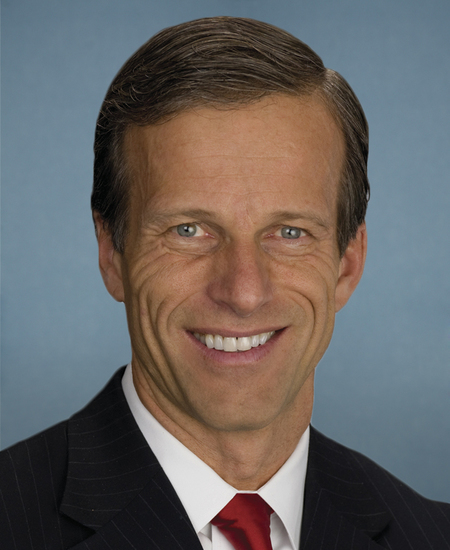
John Thune, SD
Linked statement
“I want this bill passed. The GENIUS Act worked. It used light regulation. That made stablecoins grow. Companies didn't leave the country. The Clarity Act will do the same for all digital assets. It will divide oversight between two agencies. It will have protections for investors. It will stop bad actors like FTX. This bill is bipartisan. Democrats asked for many changes. We made 126 changes. The bill is ready. Now Democrats should support it. Not delay it. We need this to lead in financial tech.”
“I want the Senate to pass the Clarity Act. It sets clear, light rules for cryptocurrency across the country, just like we did for stablecoins last year. The bill protects investors from fraud, stops companies from misusing customer money, and clearly divides oversight between regulators. We made over one hundred changes that Democrats asked for, so I urge them to vote for this bill now.”
“Mr. President, last year, Congress passed the GENIUS Act, which is the first bill regulating digital assets ever to become law. And the GENIUS Act was a landmark bill for more reasons than just being the first. It applied a light-touch approach to digital asset regulation that provides clear rules of the road for stablecoins, while allowing space for continued innovation and encouraging that innovation to happen right here in the United States. We have already seen the positive effects of that approach. Stablecoin market capitalization increased by 49 percent in 2025, due in part to the regulatory clarity provided by the GENIUS Act. Visa and Mastercard have been investing in stablecoin-linked credit cards amid heightened demand for such cards. Visa alone tripled its offer of stablecoin-linked credit cards last year, and one Visa executive called the GENIUS Act a huge turning point for the industry. Thanks to clear regulatory guidelines for stablecoins, the digital asset industry is moving in the right direction in the United States. That is a stark contrast to how things were under the Biden administration. Not long ago, digital assets operated in a legal gray zone in this country. The Biden administration was regulating crypto companies with arbitrary enforcement measures, subjecting crypto firms to numerous lawsuits. And these hostile actions led a number of U.S.-based companies to consider moving out of the United States altogether. We can all agree that the United States should be the world's leader in financial innovation, and as the GENIUS Act proves, innovation surges with certainty. When we passed the GENIUS Act over a year ago, I said market structure legislation would be the next logical step. Today, thanks to the leadership of Senator Lummis and Chairmen Scott and Boozman and a lot of hard work from a number of our colleagues on both sides of the aisle, the Senate has the opportunity to take that step with the Digital Asset Market Clarity Act. The Clarity Act would apply the same approach that we took on stablecoins in the GENIUS Act to the entire digital asset ecosystem. It would provide clear rules of the road while encouraging innovation to happen right here in America. To begin with, the Clarity Act distinguishes the jurisdictions of the Commodity Futures Trading Commission and the Securities and Exchange Commission, while ensuring that the CFTC and the SEC still work together to harmonize their rules. The Clarity Act also ensures that companies can't skirt securities laws that apply to other financial assets, and it protects the growing number of Americans investing in and utilizing digital assets. It provides everyday Americans with the information they need to make investment decisions, prevents value manipulation schemes, and ensures that law enforcement has the tools that it needs to go after bad actors and fraud. Anyone concerned about another failure like the FTX collapse a few years ago should want to see the Clarity Act passed quickly. This bill would prevent another FTX. It would require exchanges to be subject to examination and provide transparency so that regulators can intervene before harm becomes widespread. It would prevent companies from using customers' funds as their own, as FTX did, and it would ensure that exchanges and their affiliates can't trade on their own platforms. This bill has support from large financial institutions and law enforcement organizations, and it has had bipartisan support from the beginning. As I said, this bill has been a bipartisan work in progress for over a year, with roots that go back even before that. In the last year, 126 substantive changes have been made to the bill at the request of our Democrat colleagues. The Clarity Act was reported out of the Banking Committee on a bipartisan vote, and, over the weekend, Senators Lummis, Boozman, and Scott released a final draft that incorporated even more of Democrats' demands, in the interest of moving forward with this bill. The question now is whether Democrats will take yes for an answer. Digital assets are firmly rooted in the United States. One in five American adults has invested in or used cryptocurrency. The overwhelming majority of crypto owners want clear rules of the road and protections like those provided in the GENIUS Act and the Clarity Act. This is a shared priority for Republicans, Democrats, and President Trump. We have been working at it now for over a year. The only reason for this progress to end now would be if Democrats choose politics over good policy. And now is not the time for political games. We have seen what regulatory certainty did to promote innovation and growth in stablecoins. We have an opportunity to do that across the entire digital asset industry by passing the Clarity Act. We should take the opportunity before us to ensure this innovation happens right here in America and that the United States remains the leader in financial technology well into the future. I yield the floor. I suggest the absence of a quorum.”
Mr. President, last year, Congress passed the GENIUS Act, which is the first bill regulating digital assets ever to become law. And the GENIUS Act was a landmark bill for more reasons than just being the first. It applied a light-touch approach to digital asset regulation that provides clear rules of the road for stablecoins, while allowing space for continued innovation and encouraging that innovation to happen right here in the United States. We have already seen the positive effects of that approach. Stablecoin market capitalization increased by 49 percent in 2025, due in part to the regulatory clarity provided by the GENIUS Act. Visa and Mastercard have been investing in stablecoin-linked credit cards amid heightened demand for such cards. Visa alone tripled its offer of stablecoin-linked credit cards last year, and one Visa executive called the GENIUS Act a huge turning point for the industry. Thanks to clear regulatory guidelines for stablecoins, the digital asset industry is moving in the right direction in the United States. That is a stark contrast to how things were under the Biden administration. Not long ago, digital assets operated in a legal gray zone in this country. The Biden administration was regulating crypto companies with arbitrary enforcement measures, subjecting crypto firms to numerous lawsuits. And these hostile actions led a number of U.S.-based companies to consider moving out of the United States altogether. We can all agree that the United States should be the world's leader in financial innovation, and as the GENIUS Act proves, innovation surges with certainty. When we passed the GENIUS Act over a year ago, I said market structure legislation would be the next logical step. Today, thanks to the leadership of Senator Lummis and Chairmen Scott and Boozman and a lot of hard work from a number of our colleagues on both sides of the aisle, the Senate has the opportunity to take that step with the Digital Asset Market Clarity Act. The Clarity Act would apply the same approach that we took on stablecoins in the GENIUS Act to the entire digital asset ecosystem. It would provide clear rules of the road while encouraging innovation to happen right here in America. To begin with, the Clarity Act distinguishes the jurisdictions of the Commodity Futures Trading Commission and the Securities and Exchange Commission, while ensuring that the CFTC and the SEC still work together to harmonize their rules. The Clarity Act also ensures that companies can't skirt securities laws that apply to other financial assets, and it protects the growing number of Americans investing in and utilizing digital assets. It provides everyday Americans with the information they need to make investment decisions, prevents value manipulation schemes, and ensures that law enforcement has the tools that it needs to go after bad actors and fraud. Anyone concerned about another failure like the FTX collapse a few years ago should want to see the Clarity Act passed quickly. This bill would prevent another FTX. It would require exchanges to be subject to examination and provide transparency so that regulators can intervene before harm becomes widespread. It would prevent companies from using customers' funds as their own, as FTX did, and it would ensure that exchanges and their affiliates can't trade on their own platforms. This bill has support from large financial institutions and law enforcement organizations, and it has had bipartisan support from the beginning. As I said, this bill has been a bipartisan work in progress for over a year, with roots that go back even before that. In the last year, 126 substantive changes have been made to the bill at the request of our Democrat colleagues. The Clarity Act was reported out of the Banking Committee on a bipartisan vote, and, over the weekend, Senators Lummis, Boozman, and Scott released a final draft that incorporated even more of Democrats' demands, in the interest of moving forward with this bill. The question now is whether Democrats will take yes for an answer. Digital assets are firmly rooted in the United States. One in five American adults has invested in or used cryptocurrency. The overwhelming majority of crypto owners want clear rules of the road and protections like those provided in the GENIUS Act and the Clarity Act. This is a shared priority for Republicans, Democrats, and President Trump. We have been working at it now for over a year. The only reason for this progress to end now would be if Democrats choose politics over good policy. And now is not the time for political games. We have seen what regulatory certainty did to promote innovation and growth in stablecoins. We have an opportunity to do that across the entire digital asset industry by passing the Clarity Act. We should take the opportunity before us to ensure this innovation happens right here in America and that the United States remains the leader in financial technology well into the future. I yield the floor. I suggest the absence of a quorum.