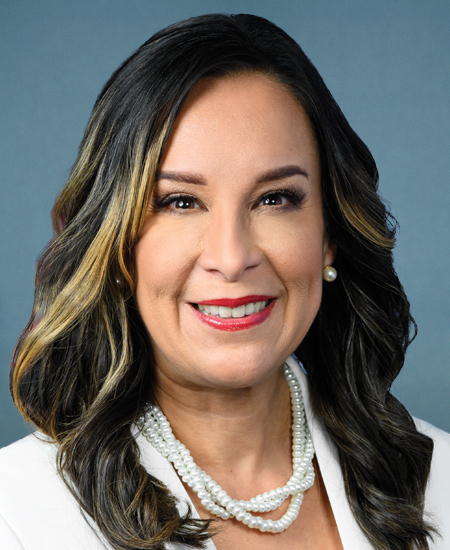
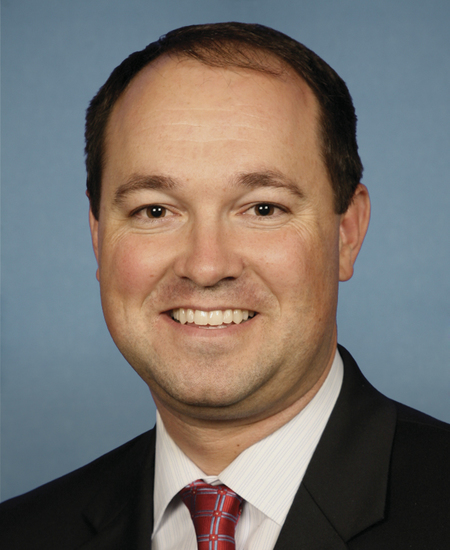
“I want this bill passed. I'm moving to suspend the rules and pass this bill as amended.”
“I want the House to pass this bill. It makes federal financial agencies review their technology and how they buy tech systems.”
“Mr. Speaker, I move to suspend the rules and pass the bill (H.R. 8278) to require certain supervisory agencies to assess their technological capabilities, and for other purposes, as amended. The Clerk read the title of the bill. The text of the bill is as follows:”
Official Congressional Record
Mr. Speaker, I move to suspend the rules and pass the bill (H.R. 8278) to require certain supervisory agencies to assess their technological capabilities, and for other purposes, as amended. The Clerk read the title of the bill. The text of the bill is as follows:
“I want the official estimate of the bill's costs added to the Record. It shows no spending and no revenue in the first year. Very little in later years. That's all I'm saying.”
“I am adding the official cost estimate for this bill into the record.”
“Mr. Speaker, I include in the Record the CBO estimate for this bill. EFFECTIVENESS IN SUPERVISION ACT, AS REPORTED BY THE HOUSE COMMITTEE ON ------------------------------------------------------------------------ ------------------------------------------------------------------------ Direct Spending (Outlays)........... 0 1 1 Revenues............................ 0 * -1 Increase or Decrease (-) in the 0 1 2 Deficit............................ Spending Subject to Appropriation 0 1 ** (Outlays).......................... ------------------------------------------------------------------------ * = between -$500,000 and zero. ** = not estimated.”
Official Congressional Record
Mr. Speaker, I include in the Record the CBO estimate for this bill. EFFECTIVENESS IN SUPERVISION ACT, AS REPORTED BY THE HOUSE COMMITTEE ON ------------------------------------------------------------------------ ------------------------------------------------------------------------ Direct Spending (Outlays)........... 0 1 1 Revenues............................ 0 * -1 Increase or Decrease (-) in the 0 1 2 Deficit............................ Spending Subject to Appropriation 0 1 ** (Outlays).......................... ------------------------------------------------------------------------ * = between -$500,000 and zero. ** = not estimated.
“I want this bill passed. It's about making sure government agencies keep up with technology. Right now they can't keep up. That's a problem. This bill will make them tell us what technology they use. They will have to say where they have problems. They will have to say what stops them from fixing those problems. They can't do their job if they can't keep up. That's bad for the economy. We need to get rid of rules and bureaucracy that slow them down. This bill helps with that. It also checks if the agencies can hire good people. I supported this bill before. Everyone on our committee supported it. Now I want the whole House to pass it.”
“I want the House to pass this bill. Financial agencies need better technology to watch over banks. If they fall behind the technology banks use, our economy is at risk. This bill makes agencies check their tools, fix gaps, and hire the experts they need.”
“Mr. Speaker, I yield myself such time as I may consume. Mr. Speaker, today, I rise in support of H.R. 8278, the Fostering the Use of Technology to Uphold Regulatory Effectiveness in Supervision Act, or the FUTURES Act. This bipartisan, commonsense measure addresses a real challenge. As technology evolves at unprecedented speed and banks and financial firms adopt new tools, do our financial regulators have the technology and expertise they need to keep pace? I am proud to support the FUTURES Act, led by Representatives Marlin Stutzman and Bill Foster, which takes important steps toward modernizing our Federal financial regulatory agencies. The FUTURES Act provides Congress with a comprehensive view of the roadblocks hindering our supervisors' ability to effectively regulate and supervise their financial institutions. It does so by providing Congress with a clear picture of the technology regulators currently use, where critical gaps exist, and what barriers stand in the way of closing those gaps. If our regulators and supervisors cannot keep pace with a constantly evolving market, there is a legitimate risk to both financial market stability and the broader economy. We must equip agencies with the tools they need to effectively oversee the ever-changing landscape of global finance. A crucial first step in doing so is to remove roadblocks, outdated agency practices, procurement barriers, and needless bureaucracy that slows the adoption of cutting-edge supervisory technology. The FUTURES Act would identify and address these roadblocks and help enable more effective, realtime oversight of markets and institutions. This is a critical step to create a more transparent and efficient supervisory environment for financial institutions and market participants of all sizes. The bill also takes a look at whether agencies can recruit, train, and retain the technical experts needed to meet their missions. Just as we hold our financial institutions to rigorous standards on cybersecurity and vendor oversight, we should equip our regulators to meet the same high bars. I look forward to the insights this bill will generate and how they will guide future engagement to improve supervision across the Federal financial system. I supported this bipartisan, commonsense bill last Congress and during our committee markup in May, and I am pleased to do so today. All of my colleagues at the Financial Services Committee supported this bill, and I urge the rest of my colleagues in the House to join us in passing this important bipartisan bill. Mr. Speaker, I thank Mr. Stutzman and Mr. Foster for their leadership, and I reserve the balance of my time.”
Official Congressional Record
Mr. Speaker, I yield myself such time as I may consume. Mr. Speaker, today, I rise in support of H.R. 8278, the Fostering the Use of Technology to Uphold Regulatory Effectiveness in Supervision Act, or the FUTURES Act. This bipartisan, commonsense measure addresses a real challenge. As technology evolves at unprecedented speed and banks and financial firms adopt new tools, do our financial regulators have the technology and expertise they need to keep pace? I am proud to support the FUTURES Act, led by Representatives Marlin Stutzman and Bill Foster, which takes important steps toward modernizing our Federal financial regulatory agencies. The FUTURES Act provides Congress with a comprehensive view of the roadblocks hindering our supervisors' ability to effectively regulate and supervise their financial institutions. It does so by providing Congress with a clear picture of the technology regulators currently use, where critical gaps exist, and what barriers stand in the way of closing those gaps. If our regulators and supervisors cannot keep pace with a constantly evolving market, there is a legitimate risk to both financial market stability and the broader economy. We must equip agencies with the tools they need to effectively oversee the ever-changing landscape of global finance. A crucial first step in doing so is to remove roadblocks, outdated agency practices, procurement barriers, and needless bureaucracy that slows the adoption of cutting-edge supervisory technology. The FUTURES Act would identify and address these roadblocks and help enable more effective, realtime oversight of markets and institutions. This is a critical step to create a more transparent and efficient supervisory environment for financial institutions and market participants of all sizes. The bill also takes a look at whether agencies can recruit, train, and retain the technical experts needed to meet their missions. Just as we hold our financial institutions to rigorous standards on cybersecurity and vendor oversight, we should equip our regulators to meet the same high bars. I look forward to the insights this bill will generate and how they will guide future engagement to improve supervision across the Federal financial system. I supported this bipartisan, commonsense bill last Congress and during our committee markup in May, and I am pleased to do so today. All of my colleagues at the Financial Services Committee supported this bill, and I urge the rest of my colleagues in the House to join us in passing this important bipartisan bill. Mr. Speaker, I thank Mr. Stutzman and Mr. Foster for their leadership, and I reserve the balance of my time.
“Banks and credit unions use modern technology like AI and real-time data. They use these tools to spot fraud and manage risk. But regulators use old computer systems. This is dangerous. We need to fix this. My bill makes regulators look at their old technology. They need to report to Congress about problems. We need to know what is wrong. Banks and credit unions already have rules for their technology. Regulators should have the same rules. This bill has support from both parties. I want everyone to vote for this bill.”
“I want the House to pass this bill. Banks use new tools like artificial intelligence, but their government regulators still rely on outdated computer systems. This bill requires financial regulators to review their technology and report to Congress on what they need to modernize. Banks already have to review their tech, and regulators should be held to the same standard.”
“Mr. Speaker, I thank the gentlewoman from Texas for yielding me time. Mr. Speaker, I also rise in support of my bill, H.R. 8278. Across the country, banks and credit unions are using innovative technology to deliver better products and services for their customers. For example, banks in Northeast Indiana are using tools like artificial intelligence and real-time data analytics to spot fraud faster, better manage risk, and enhance the banking experience for Hoosiers. But too often, the regulators charged with overseeing and supervising these institutions still rely on outdated IT infrastructure from a predigital era. This gap poses significant risks not just for our financial markets but for the entire economy. As our banks and credit unions continue to innovate at a record pace, our regulators must have the tools to keep up. That is where the FUTURES Act comes in. My bill requires Federal bank and credit union regulators to assess the technology systems they use for supervision, evaluate their procurement practices, and report to Congress on where they are struggling and how they can improve. Put simply, we can't help our regulators modernize their technology for the digital age if we don't know the challenges that they face. Whether it is talent gaps, procurement barriers, or technological blind spots, Congress needs to understand the red tape that is keeping government in the past while the financial system races into the future. In fact, we already require this kind of information from the institutions our regulators supervise. Banks and credit unions must undergo quarterly technology reviews, internal testing, and rigorous due diligence on every vendor that they use. It is only fair that we hold their regulators to the same standard. The FUTURES Act is a straightforward, commonsense, and bipartisan step to address the critical technology challenges facing our regulators. This legislation was advanced unanimously by the House Committee on Financial Services, sending a clear message that both Republicans and Democrats recognize that supervision must keep pace with innovation. I am grateful to my colleague across the aisle, Bill Foster, for co- leading this legislation with me. I also thank Chairman Hill and Chairman Steil for their continued support of this measure, as well as thanking the full committee. Mr. Speaker, I urge my colleagues to support this bill.”
Official Congressional Record
Mr. Speaker, I thank the gentlewoman from Texas for yielding me time. Mr. Speaker, I also rise in support of my bill, H.R. 8278. Across the country, banks and credit unions are using innovative technology to deliver better products and services for their customers. For example, banks in Northeast Indiana are using tools like artificial intelligence and real-time data analytics to spot fraud faster, better manage risk, and enhance the banking experience for Hoosiers. But too often, the regulators charged with overseeing and supervising these institutions still rely on outdated IT infrastructure from a predigital era. This gap poses significant risks not just for our financial markets but for the entire economy. As our banks and credit unions continue to innovate at a record pace, our regulators must have the tools to keep up. That is where the FUTURES Act comes in. My bill requires Federal bank and credit union regulators to assess the technology systems they use for supervision, evaluate their procurement practices, and report to Congress on where they are struggling and how they can improve. Put simply, we can't help our regulators modernize their technology for the digital age if we don't know the challenges that they face. Whether it is talent gaps, procurement barriers, or technological blind spots, Congress needs to understand the red tape that is keeping government in the past while the financial system races into the future. In fact, we already require this kind of information from the institutions our regulators supervise. Banks and credit unions must undergo quarterly technology reviews, internal testing, and rigorous due diligence on every vendor that they use. It is only fair that we hold their regulators to the same standard. The FUTURES Act is a straightforward, commonsense, and bipartisan step to address the critical technology challenges facing our regulators. This legislation was advanced unanimously by the House Committee on Financial Services, sending a clear message that both Republicans and Democrats recognize that supervision must keep pace with innovation. I am grateful to my colleague across the aisle, Bill Foster, for co- leading this legislation with me. I also thank Chairman Hill and Chairman Steil for their continued support of this measure, as well as thanking the full committee. Mr. Speaker, I urge my colleagues to support this bill.
“I already explained my reasons. Support this bill. That's all I have to say.”
“I want the House to pass this bill.”
“Mr. Speaker, I yield myself the balance of my time. Mr. Speaker, for the reasons I explained earlier, I urge my colleagues to support this bill, and I yield back the balance of my time. The SPEAKER pro tempore (Mr. Simpson). The question is on the motion offered by the gentlewoman from Texas (Ms. De La Cruz) that the House suspend the rules and pass the bill, H.R. 8278, as amended. The question was taken.”
Official Congressional Record
Mr. Speaker, I yield myself the balance of my time. Mr. Speaker, for the reasons I explained earlier, I urge my colleagues to support this bill, and I yield back the balance of my time. The SPEAKER pro tempore (Mr. Simpson). The question is on the motion offered by the gentlewoman from Texas (Ms. De La Cruz) that the House suspend the rules and pass the bill, H.R. 8278, as amended. The question was taken.