Analysis · beta
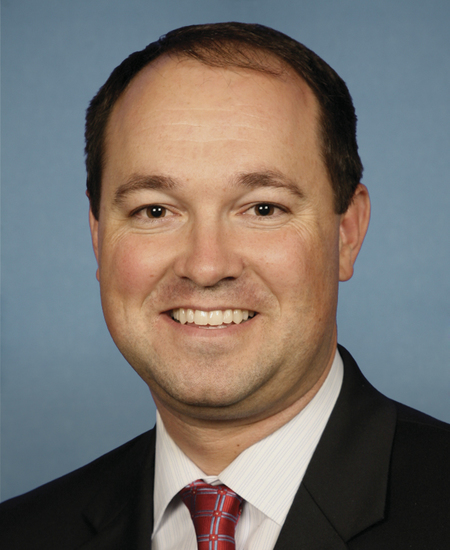
Marlin A. Stutzman
Not analysed yet
A requested analysis is usually ready within half an hour; come back to this page or reload it.
Mr. Speaker, I thank the gentlewoman from Texas for yielding me time. Mr. Speaker, I also rise in support of my bill, H.R. 8278. Across the country, banks and credit unions are using innovative technology to deliver better products and services for their customers. For example, banks in Northeast Indiana are using tools like artificial intelligence and real-time data analytics to spot fraud faster, better manage risk, and enhance the banking experience for Hoosiers. But too often, the regulators charged with overseeing and supervising these institutions still rely on outdated IT infrastructure from a predigital era. This gap poses significant risks not just for our financial markets but for the entire economy. As our banks and credit unions continue to innovate at a record pace, our regulators must have the tools to keep up. That is where the FUTURES Act comes in. My bill requires Federal bank and credit union regulators to assess the technology systems they use for supervision, evaluate their procurement practices, and report to Congress on where they are struggling and how they can improve. Put simply, we can't help our regulators modernize their technology for the digital age if we don't know the challenges that they face. Whether it is talent gaps, procurement barriers, or technological blind spots, Congress needs to understand the red tape that is keeping government in the past while the financial system races into the future. In fact, we already require this kind of information from the institutions our regulators supervise. Banks and credit unions must undergo quarterly technology reviews, internal testing, and rigorous due diligence on every vendor that they use. It is only fair that we hold their regulators to the same standard. The FUTURES Act is a straightforward, commonsense, and bipartisan step to address the critical technology challenges facing our regulators. This legislation was advanced unanimously by the House Committee on Financial Services, sending a clear message that both Republicans and Democrats recognize that supervision must keep pace with innovation. I am grateful to my colleague across the aisle, Bill Foster, for co- leading this legislation with me. I also thank Chairman Hill and Chairman Steil for their continued support of this measure, as well as thanking the full committee. Mr. Speaker, I urge my colleagues to support this bill.