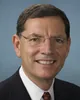
John Barrasso, WY
“I am celebrating the 50th anniversary of the University of Wyoming Family Medicine Residency Programs. These programs train doctors to care for patients across our state, especially in rural areas. About 100 of their graduates now practice medicine in Wyoming.”
“Madam President, I rise today in celebration of the 50th anniversary of the University of Wyoming Family Medicine Residency Programs. On Saturday, October 10, 2026, at the Wyoming Primary Care Symposium, the Wyoming medical community will gather to celebrate this significant milestone. The UW Family Medicine Residency Programs are tailored to Wyoming and our unique healthcare needs. With two separate residencies in Casper and Cheyenne, these graduate medical education programs ensure residents are well-prepared to treat patients with professionalism, skill, and compassion. In the 1970s, the Wyoming Legislature, the University of Wyoming, and other stakeholders recognized the need for additional physicians. After exploring options to expand medical education in the State, in 1976, the Wyoming Legislature founded the UW Family Medicine Residency Programs. The programs, affiliated with the University of Wyoming’s then College of Human Medicine, were intended to meet the needs of underserved communities and provide quality medical education for the next generation of Wyoming doctors. Wyoming physicians John Corbett, MD; Charlie Huff, MD; David Driggers, MD; and Arnold Krause, MD, were instrumental in launching the residency programs. As the chair of the Wyoming State Health Care Coordinating Council, Dr. Corbett championed the cause of graduate medical education in the State. As the residency program got off the ground, he served as the acting dean of the UW College of Human Medicine. Dr. Huff advocated for a Wyoming-focused solution as the director of the Office of Rural and Community Health. Dr. Driggers went on to serve as the associate professor, acting program director, and associate dean of the residency program. Dr. Krause served as the Cheyenne residency program director, recruiting faculty and physicians as the site grew. In crafting the family medicine residencies, Wyoming took a unique approach. The programs were 100 percent State-funded when they were established. The Casper program was established in 1976, received its provisional accreditation in 1977, and graduated its first residents in 1979. The Cheyenne program followed, earning provisional accreditation in 1979, accepting its first residents in 1980, and receiving full accreditation in 1982. True to the goal of providing quality medical access to the State, the UW Family Medicine Residency in Casper is a 3-year program, with 8 recent medical school graduates accepted each year. Residents perform clinical rotations in a wide range of specialties, including orthopaedic surgery, behavioral medicine, pediatrics, emergency medicine, geriatrics and advanced family medicine. The program offers five specialty tracks, including a rural and underserved global health track, a hospitalist track, and an osteopathic-focused track. Physicians who are interested in exploring the complexities of aging may pursue the program’s geriatric fellowship. The UW Family Medicine Residency in Cheyenne accepts six residents each year. These residents rotate in general surgery, community medicine, and women’s health. Over the 3-year program, their opportunities include working with local patients in pediatric, dermatology, and sports medicine disciplines. The Cheyenne faculty prioritize experiences with rural medicine and treatment of patients of all ages and backgrounds. Residents also serve the local community at Cheyenne Regional Medical Center. Many program graduates go on to practice in Cheyenne and across Wyoming. Both the Cheyenne and Casper Residency Programs offer a supportive, wellness-focused environment offering future doctors a comprehensive training program tailored with rural and frontier communities in mind. Staying true to the original goal of increasing the physician pipeline in Wyoming, there are approximately 100 UW Family Medicine Residency Program graduates practicing in the State. The leadership of the UW Family Medicine Residency Programs embodies the values of professionalism, education, service, and excellence. They equip residents to provide comprehensive care to all, including the underserved. The Casper program is led by: In Cheyenne, residents work closely with the leadership team of: It is my honor to recognize the incredible University of Wyoming Family Medicine Residency Programs. I ask my colleagues to join me in celebrating their investment in the people of Wyoming.”
Madam President, I rise today in celebration of the 50th anniversary of the University of Wyoming Family Medicine Residency Programs. On Saturday, October 10, 2026, at the Wyoming Primary Care Symposium, the Wyoming medical community will gather to celebrate this significant milestone. The UW Family Medicine Residency Programs are tailored to Wyoming and our unique healthcare needs. With two separate residencies in Casper and Cheyenne, these graduate medical education programs ensure residents are well-prepared to treat patients with professionalism, skill, and compassion. In the 1970s, the Wyoming Legislature, the University of Wyoming, and other stakeholders recognized the need for additional physicians. After exploring options to expand medical education in the State, in 1976, the Wyoming Legislature founded the UW Family Medicine Residency Programs. The programs, affiliated with the University of Wyoming’s then College of Human Medicine, were intended to meet the needs of underserved communities and provide quality medical education for the next generation of Wyoming doctors. Wyoming physicians John Corbett, MD; Charlie Huff, MD; David Driggers, MD; and Arnold Krause, MD, were instrumental in launching the residency programs. As the chair of the Wyoming State Health Care Coordinating Council, Dr. Corbett championed the cause of graduate medical education in the State. As the residency program got off the ground, he served as the acting dean of the UW College of Human Medicine. Dr. Huff advocated for a Wyoming-focused solution as the director of the Office of Rural and Community Health. Dr. Driggers went on to serve as the associate professor, acting program director, and associate dean of the residency program. Dr. Krause served as the Cheyenne residency program director, recruiting faculty and physicians as the site grew. In crafting the family medicine residencies, Wyoming took a unique approach. The programs were 100 percent State-funded when they were established. The Casper program was established in 1976, received its provisional accreditation in 1977, and graduated its first residents in 1979. The Cheyenne program followed, earning provisional accreditation in 1979, accepting its first residents in 1980, and receiving full accreditation in 1982. True to the goal of providing quality medical access to the State, the UW Family Medicine Residency in Casper is a 3-year program, with 8 recent medical school graduates accepted each year. Residents perform clinical rotations in a wide range of specialties, including orthopaedic surgery, behavioral medicine, pediatrics, emergency medicine, geriatrics and advanced family medicine. The program offers five specialty tracks, including a rural and underserved global health track, a hospitalist track, and an osteopathic-focused track. Physicians who are interested in exploring the complexities of aging may pursue the program’s geriatric fellowship. The UW Family Medicine Residency in Cheyenne accepts six residents each year. These residents rotate in general surgery, community medicine, and women’s health. Over the 3-year program, their opportunities include working with local patients in pediatric, dermatology, and sports medicine disciplines. The Cheyenne faculty prioritize experiences with rural medicine and treatment of patients of all ages and backgrounds. Residents also serve the local community at Cheyenne Regional Medical Center. Many program graduates go on to practice in Cheyenne and across Wyoming. Both the Cheyenne and Casper Residency Programs offer a supportive, wellness-focused environment offering future doctors a comprehensive training program tailored with rural and frontier communities in mind. Staying true to the original goal of increasing the physician pipeline in Wyoming, there are approximately 100 UW Family Medicine Residency Program graduates practicing in the State. The leadership of the UW Family Medicine Residency Programs embodies the values of professionalism, education, service, and excellence. They equip residents to provide comprehensive care to all, including the underserved. The Casper program is led by: In Cheyenne, residents work closely with the leadership team of: It is my honor to recognize the incredible University of Wyoming Family Medicine Residency Programs. I ask my colleagues to join me in celebrating their investment in the people of Wyoming.