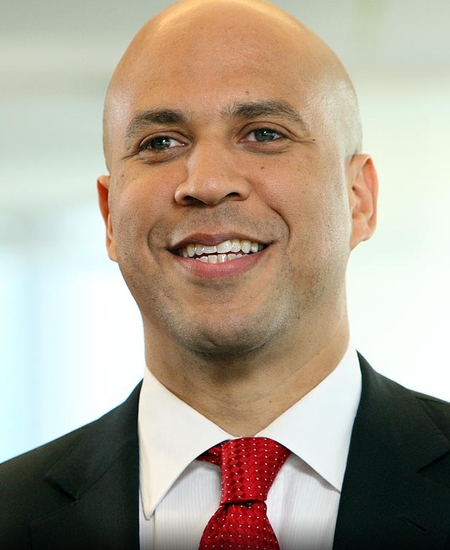
Cory A. Booker, NJ
“I want to talk about this bill. It is bad. The NCAA is bad. The NCAA controls a huge industry. The NCAA has exploited athletes. The NCAA took money for themselves. The NCAA didn't help athletes. Courts and states started to fix that. Now the NCAA wants more power. This bill gives them that power. The bill doesn't protect athletes. Athletes are against this bill. Unions are against it. Civil rights groups are against it. I have a list. I want to enter it into the Record. This bill limits what athletes can earn. It does nothing to coaches. Coaches make a lot of money. This bill is unjust. It takes away athletes' rights. Athletes can't sue for their rights. The bill says athletes can sue. But it doesn't work. Athletes won't sue. The bill doesn't control spending. It caps what athletes can earn. Other expenses go up. The bill protects some sports for a little while. Those protections expire. The NCAA gets permanent protection. The NCAA doesn't deserve it. The bill adds red tape for athletes' benefits. The bill claims to protect athletes. But it has no enforcement. Athletes are alone to enforce it. The NCAA and schools love this bill. They get money. Athletes get nothing. The bill says it helps HBCUs. It doesn't. It promises money but doesn't give any. I supported a better bill. This bill is like that bill but worse. No state attorneys general can enforce it. The NCAA gets more power. People say there is grassroots support for this bill. It's just ads paid for by the NCAA and schools. Who protects the athletes? I have letters from groups against this bill. I want to enter them into the Record. This bill is bad. I want to stop it.”
“I want the Senate to reject this bill. It protects the NCAA instead of college athletes. It limits how much money players can make while letting coaches' salaries keep rising, and it gives the NCAA permanent legal shields while only temporarily protecting Olympic and women's sports. It also makes it too hard for athletes to stand up for their rights in court.”
“Mr. President, I want to speak forcefully against the Protect College Sports Act. There are a handful of us--like my colleagues--who played college sports. I was a high school all-American Player of the Year for my State, on the same USA TODAY All-America team with people like Emmitt Smith, and got a full scholarship. In so many ways, like my colleagues, I am here, afforded opportunities I probably would never have had if it weren't for college athletics. But while a college student and a player, I saw how unjust the NCAA is. It is a serial monopolist, controlling an industry over $15 billion strong and rapidly growing. And the NCAA has a long record of ignoring the cries for justice from exploited college athletes. The NCAA protects its members, it protects the colleges, and it has repeatedly put college athletes in horrible positions. For generations, billions of dollars were being made that were given to coaches, ADs. Everybody was making money, but college athletes weren't. It wasn't until college athletes were able to begin to win cases in court that States, seeing the injustices, began to change the law. That started to shift the power table. And now the NCAA is coming here to the U.S. Senate, asking for sweeping powers that exempt our antitrust laws. Well, my concerns I have grown to have over the years are not addressed in this bill. This bill does not do enough to protect college athletes' health and safety and well-being. And as a result of that, the number of groups opposed to it is almost too long to read. I am going to submit for the Record a full list, but let me just read some of them: every College Athletes Players Association; the College Football Players Association; the United College Athletes Association; all the associations of college sports; all of our major unions, the AFL-CIO, the United Steelworkers; all of our major civil rights organizations, the NAACP, the Urban League; all of our major legal think tanks that protect the health, well-being, and justice like the Center for Law and Policy. I could go on and on about those people who object to this bill because it is not protecting athletes. And think about this: It is doing all kinds of things to stop players from earning money--putting bureaucracy between them and the possibilities--but it does nothing to affect coaches. So, in other words, it is treating college athletes as a different class. Meanwhile, coaches' salaries--often, in most States, the highest paid people in their State governments are the basketball or the football coaches--their salaries continue to skyrocket, with close to 15 coaches right now having almost a quarter-of-a-billion-dollar buyout for their contracts. This is an unjust bill, and I want to deal very quickly with some of the top lines. First and foremost, we have a bill that doesn't solve the problems it claims to solve. It says it is going to fix a system that is broken. Well, the NCAA conferences and schools continue to lose major court cases. This bill is going to take away the power of athletes to be able to sue for their rights. It says in this bill that, oh, we are preserving an individual right of action for individual athletes. Well, let me tell you right now, any lawyer worth their salt will tell you that somebody competing for the starting pitcher spot on a softball team is not going to sue their college in hopes they are going to get justice if they are facing sexual assault or if they have been forced to play through an injury or if there has been a breaking of any of the rules around the NCAA that purports to support our students. It is creating a cartel for them, a monopoly for them, and inadequate protections for college athletes and undermining their ability--should they even choose to sue, undermining their ability to have a fair day in court. It is not protecting the spending problem. Schools increasingly claim that athlete compensation has created unprecedented financial pressure at the same time that football coaches and basketball coaches continue to see higher and higher salaries. This bill responds by placing federally imposed ceilings on athlete compensation while leaving every other major expense free to continue to increase. How much schools are spending on their facilities, paying their ADs, paying their coaches and assistant coaches--all of those prices continue to go up, but it is the college athletes that are going to be facing the caps. We see protections for women's and Olympic sports, which I agree on. They are in this bill. But those protections expire while the antitrust protections do not. You go to section 125 of the bill. It has protections for those roster sports and grant and aid opportunities in those sports, but those protections expire after 4 or 9 years. It is a lie to say that this bill is protecting Olympic sports because it is not. It only does so for a handful of years. Permanent antitrust exemption, temporary protection for college athletes competing in Olympic sports. Why would we do that? Why would we do that? We should give not permanent exemption if we are not doing it in other parts of the bill, and even that is questionable. The NCAA's record over decades does not justify giving it more control. We are giving them more authority over a group of Americans, and yet we are not asking for the right things in return--protections for athletes, their health, their well-being, their safety, equality for others involved in the sport. The bill claims to codify into law athletes' ability to benefit from NIL. Athletes already enjoy this right. They fought decades for it. The bill just puts new redtape there. The bill includes protections for athletes' health and safety and education. Yes, but do you know what? Without a meaningful enforcement mechanism, these protections are basically suggestions. This bill relies exclusively on that private right of action in section 119, placing the burden on young athletes and young athletes alone to enforce anything within this bill. They claim that schools and conferences and NCAA coaches support the Protect College Sports Act. Of course they support it--they are getting all of the financial gain and putting all of the burden and compromises and givebacks to college athletes, including their ability to win in court. Oh, and there is a cynical part of this. They say they are going to help historically Black colleges and universities. I want everyone like me who has been fighting for HBCUs, who supports HBCUs, to understand the cynicism in this bill. This bill authorizes money. It authorizes money. It does not appropriate one single dollar. What you get is a promise for future funds, but we know that time and time again, Congress authorizes funding and that funding is never delivered. This bill includes provisions of the SAFE Act, which I supported. Well, this leaves out a critical distinction between the SAFE Act and athletes' protections with meaningful enforcement. The SAFE Act included the State attorneys general being able to enforce it; this bill does not. The SAFE Act didn't give the NCAA and conferences sweeping new antitrust shields; this bill does. So, yes, there are some provisions from my earlier work in this bill, but they are toothless because of the lack of enforcement power. This is a growing grassroots effort, I hear, to support this bill. Well, I am seeing millions of dollars' worth of commercials being funded by all the financial interests behind this bill, but who is protecting college athletes? I will give an example, and I will end with this because I know time is short. I want to make sure, though, that I can enter for the Record--I am going to ask the President--I would like to enter into the Record some letters. Mr. President, I ask unanimous consent to have printed in the Record a letter from college athletes organizations; this letter from civil rights organizations and former attorneys general; and this letter from college athletes safety organizations, college athletes sexual abuse survivor organizations, and families of college athletes who died following athletic activities--all speaking to the urgency to stop this bill. There being no objection, the material was ordered to be printed in the Record, as follows: The PCSA Would Codify the Most Sweeping Antitrust Exemption in More The PCSA Grants the NCAA Unprecedented Powers to Enforce the Law The PCSA Grants the NCAA--a Serial Law Violator--Unprecedented”
Mr. President, I want to speak forcefully against the Protect College Sports Act. There are a handful of us--like my colleagues--who played college sports. I was a high school all-American Player of the Year for my State, on the same USA TODAY All-America team with people like Emmitt Smith, and got a full scholarship. In so many ways, like my colleagues, I am here, afforded opportunities I probably would never have had if it weren't for college athletics. But while a college student and a player, I saw how unjust the NCAA is. It is a serial monopolist, controlling an industry over $15 billion strong and rapidly growing. And the NCAA has a long record of ignoring the cries for justice from exploited college athletes. The NCAA protects its members, it protects the colleges, and it has repeatedly put college athletes in horrible positions. For generations, billions of dollars were being made that were given to coaches, ADs. Everybody was making money, but college athletes weren't. It wasn't until college athletes were able to begin to win cases in court that States, seeing the injustices, began to change the law. That started to shift the power table. And now the NCAA is coming here to the U.S. Senate, asking for sweeping powers that exempt our antitrust laws. Well, my concerns I have grown to have over the years are not addressed in this bill. This bill does not do enough to protect college athletes' health and safety and well-being. And as a result of that, the number of groups opposed to it is almost too long to read. I am going to submit for the Record a full list, but let me just read some of them: every College Athletes Players Association; the College Football Players Association; the United College Athletes Association; all the associations of college sports; all of our major unions, the AFL-CIO, the United Steelworkers; all of our major civil rights organizations, the NAACP, the Urban League; all of our major legal think tanks that protect the health, well-being, and justice like the Center for Law and Policy. I could go on and on about those people who object to this bill because it is not protecting athletes. And think about this: It is doing all kinds of things to stop players from earning money--putting bureaucracy between them and the possibilities--but it does nothing to affect coaches. So, in other words, it is treating college athletes as a different class. Meanwhile, coaches' salaries--often, in most States, the highest paid people in their State governments are the basketball or the football coaches--their salaries continue to skyrocket, with close to 15 coaches right now having almost a quarter-of-a-billion-dollar buyout for their contracts. This is an unjust bill, and I want to deal very quickly with some of the top lines. First and foremost, we have a bill that doesn't solve the problems it claims to solve. It says it is going to fix a system that is broken. Well, the NCAA conferences and schools continue to lose major court cases. This bill is going to take away the power of athletes to be able to sue for their rights. It says in this bill that, oh, we are preserving an individual right of action for individual athletes. Well, let me tell you right now, any lawyer worth their salt will tell you that somebody competing for the starting pitcher spot on a softball team is not going to sue their college in hopes they are going to get justice if they are facing sexual assault or if they have been forced to play through an injury or if there has been a breaking of any of the rules around the NCAA that purports to support our students. It is creating a cartel for them, a monopoly for them, and inadequate protections for college athletes and undermining their ability--should they even choose to sue, undermining their ability to have a fair day in court. It is not protecting the spending problem. Schools increasingly claim that athlete compensation has created unprecedented financial pressure at the same time that football coaches and basketball coaches continue to see higher and higher salaries. This bill responds by placing federally imposed ceilings on athlete compensation while leaving every other major expense free to continue to increase. How much schools are spending on their facilities, paying their ADs, paying their coaches and assistant coaches--all of those prices continue to go up, but it is the college athletes that are going to be facing the caps. We see protections for women's and Olympic sports, which I agree on. They are in this bill. But those protections expire while the antitrust protections do not. You go to section 125 of the bill. It has protections for those roster sports and grant and aid opportunities in those sports, but those protections expire after 4 or 9 years. It is a lie to say that this bill is protecting Olympic sports because it is not. It only does so for a handful of years. Permanent antitrust exemption, temporary protection for college athletes competing in Olympic sports. Why would we do that? Why would we do that? We should give not permanent exemption if we are not doing it in other parts of the bill, and even that is questionable. The NCAA's record over decades does not justify giving it more control. We are giving them more authority over a group of Americans, and yet we are not asking for the right things in return--protections for athletes, their health, their well-being, their safety, equality for others involved in the sport. The bill claims to codify into law athletes' ability to benefit from NIL. Athletes already enjoy this right. They fought decades for it. The bill just puts new redtape there. The bill includes protections for athletes' health and safety and education. Yes, but do you know what? Without a meaningful enforcement mechanism, these protections are basically suggestions. This bill relies exclusively on that private right of action in section 119, placing the burden on young athletes and young athletes alone to enforce anything within this bill. They claim that schools and conferences and NCAA coaches support the Protect College Sports Act. Of course they support it--they are getting all of the financial gain and putting all of the burden and compromises and givebacks to college athletes, including their ability to win in court. Oh, and there is a cynical part of this. They say they are going to help historically Black colleges and universities. I want everyone like me who has been fighting for HBCUs, who supports HBCUs, to understand the cynicism in this bill. This bill authorizes money. It authorizes money. It does not appropriate one single dollar. What you get is a promise for future funds, but we know that time and time again, Congress authorizes funding and that funding is never delivered. This bill includes provisions of the SAFE Act, which I supported. Well, this leaves out a critical distinction between the SAFE Act and athletes' protections with meaningful enforcement. The SAFE Act included the State attorneys general being able to enforce it; this bill does not. The SAFE Act didn't give the NCAA and conferences sweeping new antitrust shields; this bill does. So, yes, there are some provisions from my earlier work in this bill, but they are toothless because of the lack of enforcement power. This is a growing grassroots effort, I hear, to support this bill. Well, I am seeing millions of dollars' worth of commercials being funded by all the financial interests behind this bill, but who is protecting college athletes? I will give an example, and I will end with this because I know time is short. I want to make sure, though, that I can enter for the Record--I am going to ask the President--I would like to enter into the Record some letters. Mr. President, I ask unanimous consent to have printed in the Record a letter from college athletes organizations; this letter from civil rights organizations and former attorneys general; and this letter from college athletes safety organizations, college athletes sexual abuse survivor organizations, and families of college athletes who died following athletic activities--all speaking to the urgency to stop this bill. There being no objection, the material was ordered to be printed in the Record, as follows: The PCSA Would Codify the Most Sweeping Antitrust Exemption in More The PCSA Grants the NCAA Unprecedented Powers to Enforce the Law The PCSA Grants the NCAA--a Serial Law Violator--Unprecedented