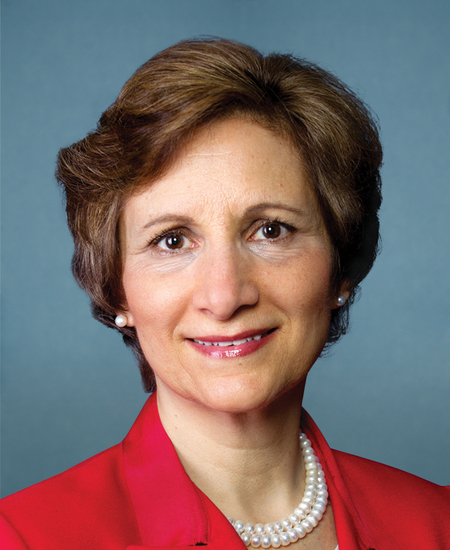
Suzanne Bonamici, OR
Linked statement
“Public schools aren't doing well. Many things made it worse. Kids have digital distractions. There are gaps for some kids. The other side wants to cut the Department of Education. I want taxpayers to spend more money. I wrote a bill. The bill spends a lot of money on schools. More money for poor students. Free preschool. Free meals. More money for disabled students. More money for teacher pay. The government should keep spending on public schools. No money for private school vouchers. That is what I want.”
“I want Congress to pass my education bill and stop the Trump administration from shutting down the Department of Education. Our public schools are struggling with lower test scores, digital distractions, and learning loss from the pandemic. Poor students, students of color, and students with disabilities are falling behind the most. My bill gives more money to low-income schools, funds free preschool and free school meals, and pays for special education. It also supports higher pay for teachers and stops federal money from going to private school vouchers.”
“Mr. Speaker, I rise today to talk about the future of American education. For decades, public schools have been asked to do more with less. Add to that, the fact that we have seen many new and complicated challenges over the past 10 years. The COVID-19 pandemic disrupted learning and placed enormous strain on students, educators, and families. Importantly and alarmingly, screen time, cell phones, devices, and social media changed the way young people interact with each other and the world around them. Generative AI is transforming how students learn and how educators teach with serious consequences like cognitive shrinking and, as we have seen in international scores recently, decline at least partly attributed to digital distractions. Now, the Trump administration is trying to dismantle the Department of Education and slash the Federal support that closes opportunity gaps for millions of students in schools. At the same time, too many students are struggling. Students from low-income families, students of color, students with disabilities, and students in different parts of the country from urban to rural continue to experience significant gaps in achievement. We must change course. We need to move forward with a vision of public education that recognizes the challenges of today, a vision based on research and best practices. We need a vision that recognizes that today's children are tomorrow's leaders and are worthy of policies that create a better future. That is why I am introducing the Transforming Education for the Future Act. This legislation recognizes that a good education is about more than a test score. Every student deserves a well-rounded education that prepares them to be creative, critical thinkers who will be successful regardless of their background or the path they take in life. That means more hands-on, project-based learning. It means access to the arts, career and technical education, and civics education. It means career counseling to help students see a path to their future. It means instilling a love of learning, reading, and studying, not cutting the humanities. Students deserve a fair measure of how they are doing, but standardized test scores alone do not define a child's potential. This bill would encourage the use of multiple, high-quality measures to give families and educators a more complete picture of student learning. We also need to invest in the people who make learning possible. Teachers and school staff are the foundation of our public schools, yet educators continue to face low pay, difficult working conditions, and a shortage of resources. We must strengthen the educator pipeline, improve compensation and working conditions, and give educators the resources they need to succeed. We need to invest in what works. My bill would strengthen education research and promote evidence-based practices that improve student success and well-being. We must also address the barriers that make learning harder. Kids can't focus in school when they are hungry or if they are homeless. Lack of affordable, high-quality childcare is creating gaps at an early age. The Transforming Education for the Future Act would triple funding for title I to better serve students from disadvantaged backgrounds and the schools that educate them. It would establish free universal preschool for 3-and 4-year-olds through a Federal-State partnership. It would make school breakfast and lunch free and provide summer meals. These are not extras. They are investments that determine whether a child can learn, whether a teacher can teach, and whether a community can thrive. We need to keep the Federal Government focused on its responsibility, not to set curriculum, but to support the civil rights of students. The Federal Government has an important role to play in giving every child access to high-quality education regardless of their ZIP Code, income, or ability. That means protecting the Department of Education so it can carry out the responsibilities given to it by Congress. It means fully funding IDEA, the Individuals with Disabilities Education Act, so we finally fulfill the promise Congress made to students with disabilities and their families nearly 50 years ago. It means strengthening civil rights protections and addressing segregation in schools. It means investing in public schools, not diverting Federal dollars into voucher programs that funnel money to private schools, including religious schools. Circumstances have changed, but the American system of public education has not yet adapted. We need a public education system that meets the moment for today's students and tomorrow's. We need an education system that prepares students not to pass a test but to think critically and build a future. We need to support educators who make that possible, and we need to remove those barriers that stand between children and opportunity. The Transforming Education for the Future Act is a blueprint for doing just that. It strengthens public education, and it reclaims the promise that every child in America deserves the opportunity to grow, learn, and succeed. Mr. Speaker, that is the future our students deserve. That is the future we should build together.”
Mr. Speaker, I rise today to talk about the future of American education. For decades, public schools have been asked to do more with less. Add to that, the fact that we have seen many new and complicated challenges over the past 10 years. The COVID-19 pandemic disrupted learning and placed enormous strain on students, educators, and families. Importantly and alarmingly, screen time, cell phones, devices, and social media changed the way young people interact with each other and the world around them. Generative AI is transforming how students learn and how educators teach with serious consequences like cognitive shrinking and, as we have seen in international scores recently, decline at least partly attributed to digital distractions. Now, the Trump administration is trying to dismantle the Department of Education and slash the Federal support that closes opportunity gaps for millions of students in schools. At the same time, too many students are struggling. Students from low-income families, students of color, students with disabilities, and students in different parts of the country from urban to rural continue to experience significant gaps in achievement. We must change course. We need to move forward with a vision of public education that recognizes the challenges of today, a vision based on research and best practices. We need a vision that recognizes that today's children are tomorrow's leaders and are worthy of policies that create a better future. That is why I am introducing the Transforming Education for the Future Act. This legislation recognizes that a good education is about more than a test score. Every student deserves a well-rounded education that prepares them to be creative, critical thinkers who will be successful regardless of their background or the path they take in life. That means more hands-on, project-based learning. It means access to the arts, career and technical education, and civics education. It means career counseling to help students see a path to their future. It means instilling a love of learning, reading, and studying, not cutting the humanities. Students deserve a fair measure of how they are doing, but standardized test scores alone do not define a child's potential. This bill would encourage the use of multiple, high-quality measures to give families and educators a more complete picture of student learning. We also need to invest in the people who make learning possible. Teachers and school staff are the foundation of our public schools, yet educators continue to face low pay, difficult working conditions, and a shortage of resources. We must strengthen the educator pipeline, improve compensation and working conditions, and give educators the resources they need to succeed. We need to invest in what works. My bill would strengthen education research and promote evidence-based practices that improve student success and well-being. We must also address the barriers that make learning harder. Kids can't focus in school when they are hungry or if they are homeless. Lack of affordable, high-quality childcare is creating gaps at an early age. The Transforming Education for the Future Act would triple funding for title I to better serve students from disadvantaged backgrounds and the schools that educate them. It would establish free universal preschool for 3-and 4-year-olds through a Federal-State partnership. It would make school breakfast and lunch free and provide summer meals. These are not extras. They are investments that determine whether a child can learn, whether a teacher can teach, and whether a community can thrive. We need to keep the Federal Government focused on its responsibility, not to set curriculum, but to support the civil rights of students. The Federal Government has an important role to play in giving every child access to high-quality education regardless of their ZIP Code, income, or ability. That means protecting the Department of Education so it can carry out the responsibilities given to it by Congress. It means fully funding IDEA, the Individuals with Disabilities Education Act, so we finally fulfill the promise Congress made to students with disabilities and their families nearly 50 years ago. It means strengthening civil rights protections and addressing segregation in schools. It means investing in public schools, not diverting Federal dollars into voucher programs that funnel money to private schools, including religious schools. Circumstances have changed, but the American system of public education has not yet adapted. We need a public education system that meets the moment for today's students and tomorrow's. We need an education system that prepares students not to pass a test but to think critically and build a future. We need to support educators who make that possible, and we need to remove those barriers that stand between children and opportunity. The Transforming Education for the Future Act is a blueprint for doing just that. It strengthens public education, and it reclaims the promise that every child in America deserves the opportunity to grow, learn, and succeed. Mr. Speaker, that is the future our students deserve. That is the future we should build together.