Analysis · beta
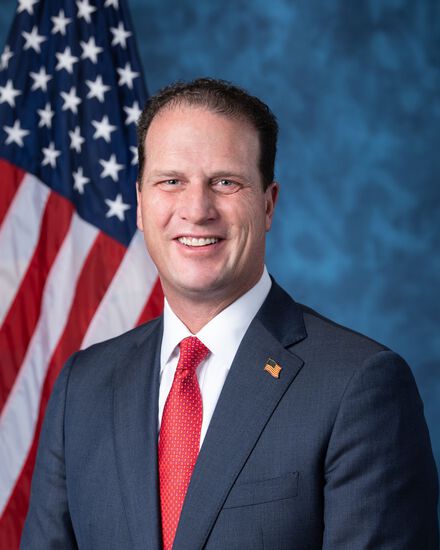
August Pfluger
Not analysed yet
A requested analysis is usually ready within half an hour; come back to this page or reload it.
Mr. Speaker, I thank the chairman for yielding me time. Mr. Speaker, I rise to speak in support of my bill, H.R. 9616, the Environmental Monitoring and Remediation Technology Assessment Initiative, or EMRTAI, Authorization Act of 2026. Critical materials are essential to some of the most important technologies and products in the communications, energy, defense, and transportation sectors. However, their supply chains are vulnerable to disruption, and we rely on other nations, including adversaries such as China, for many of them. China is currently responsible for over 70 percent of global rare earths metal production and refines up to 87 percent of the world's supply of critical minerals. Unless we develop more domestic sources for critical materials, we will remain at the mercy of our enemies. Fortunately, cutting-edge technologies are emerging to identify and take advantage of unconventional sources of critical materials right here at home. For example, in my home State of Texas, researchers and companies are exploring ways to recover lithium and other critical minerals from produced water generated during oil and gas production. The Permian Basin alone generates millions of barrels of produced water every day, one of the largest produced water streams in the world. The sheer volume of that water can present a challenge but also presents an incredible opportunity to recover valuable critical minerals from a resource that has been historically treated as a waste stream. Mr. Speaker, there are thousands of contaminated sites across the United States, including over 1,300 on the EPA's National Priorities List of the country's most contaminated sites. Additionally, on Federal lands alone, the Federal Government has spent over $100 million remediating contamination from abandoned hardrock mine sites. However, while these sites are threats to human health and the environment, they can be good sources of critical minerals. The EMRTAI Authorization Act of 2026 directs the EPA to stand up a program to support methods to identify and recover critical materials at contaminated sites, contributing to the development of new domestic sources and encouraging the remediation of these sites. EPA already has experience funding such projects. Addressing our supply chain vulnerability is a daunting challenge, but creative solutions that leverage technological innovation play a major role in solving it. I am grateful that we can work across the aisle to advance this legislation, and I thank my colleague from Ohio, Mr. Landsman, for joining me in leading this endeavor. Mr. Speaker, I encourage colleagues on both sides of the aisle to vote ``yes'' on this legislation.