Analysis · beta
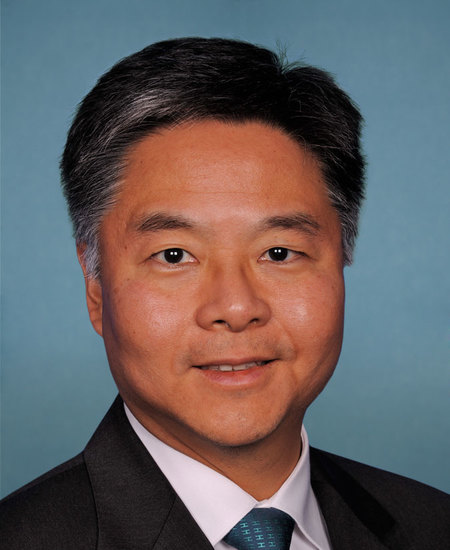
Ted Lieu
Not analysed yet
A requested analysis is usually ready within half an hour; come back to this page or reload it.
Mr. Speaker, I rise in support of H.R. 2004, Tyler's Law. This bill requires the Department of Health and Human Services to conduct a study and then to issue guidance to hospitals to test for fentanyl in emergency room screenings. This may come as a surprise to many. Right now many hospitals do not test for fentanyl in emergency room screenings. This leads to cases where people who walk in the emergency room may not know that they ingested a drug laced with fentanyl, or they may walk out of the emergency room not knowing that they had taken fentanyl and not gotten the right resources. As a result, this could result in preventable deaths. Tyler, the bill's namesake, is one such case of this testing blind spot. At 19 years old, Tyler's life was cut short when he died from a fentanyl overdose after initially going to the emergency room. He was not tested for fentanyl, and he was discharged. His toxicology screening came back with no indication of fentanyl, and he went home. The next day he returned to the ER and ultimately died from having ingested fentanyl. Tyler's mom, Juli, came to my office sharing Tyler's tragic story and has been a fierce advocate of ensuring that no family experiences the same kind of devastating loss. Since then, I have been working closely with Congressman Bob Latta, Congresswoman Sydney Kamlager-Dove, and our Senate counterparts on getting Tyler's Law passed. However, the real credit goes to Juli. She is here in the gallery today with other parents who also lost their child to fentanyl. She has been present for every step of the progress we have taken this Congress. I thank Juli for her fierce advocacy and for fighting to advance laws that will prevent future fentanyl-related deaths. Mr. Speaker, I urge my colleagues to support this bill so we can honor Tyler and prevent fentanyl deaths in the future.