Analysis · beta
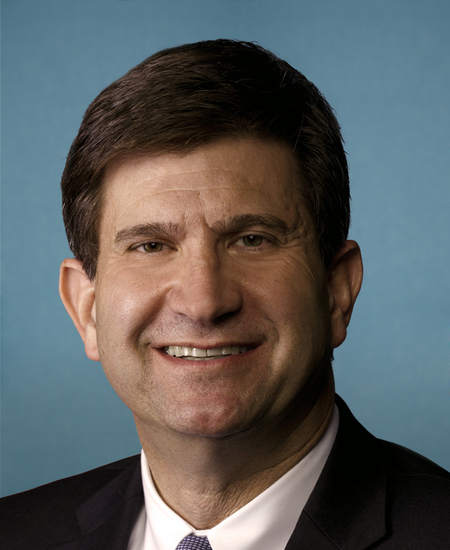
Bradley Scott Schneider
Not analysed yet
A requested analysis is usually ready within half an hour; come back to this page or reload it.
Mr. Speaker, as we have this debate and talk about the lack of strategy of this administration, I am reminded of Sun Tzu in the book, ``The Art of War'' where he wrote: The one who figures on victory at headquarters before even doing battle is the one who has the most strategic factors on his side. He continued, more than 2,000 years ago, saying: The one with many strategic factors in his favor is the one who wins. We all agree that Iran, the regime in Iran, is an intolerable threat to the United States, our Gulf allies, Israel, Europe, and much of the rest of the world. We agree that Iran must never ever have a nuclear weapon. Before President Trump launched the current war with Iran, we had four goals: eliminate Iran's nuclear program; thwart Iran's missiles, rockets, and drone capabilities; dismantle Iran's terror support network; and address the regime's human rights abuses. Two hundred days later, having lost 19 servicemembers with more than 800 wounded and dangerously depleting our weapons stockpiles, Iran is still pursuing its nuclear program. It still has missiles, rockets, and drones. It is still threatening the Strait of Hormuz, the Gulf States, and Israel. It is still supporting its terrorist proxies, oppressing its citizens, and violently suppressing dissent. After 200 days of war, none of the four original goals are realized, and we have added a fifth: reopening the Strait of Hormuz to public shipping. After 200 days, we have had no hearings in this body and no substantive debate. Our Constitution is clear: Our Framers gave only Congress the power to declare war and commit our troops to extended conflict. The President is, indeed, the Commander in Chief, but that authority does not create or erase the role and responsibility of our legislative branch. Before we ask more American servicemembers to risk their lives and the American people to take on more sacrifice, Congress and the American people deserve to know the administration's military objectives and how we intend to achieve them. That is why this War Powers Resolution exists. President Trump has a responsibility to come before Congress, and Congress, this Congress, has a responsibility to hold open hearings, public debate, and a vote. Mr. Speaker, if we allow any President, Republican or Democrat, to take our Nation into an open-ended war without congressional authorization or a basic explanation to the American people, we establish a dangerous precedent that will outlast this conflict and this administration. Mr. Speaker, I urge my colleagues to support this resolution.