Analysis · beta
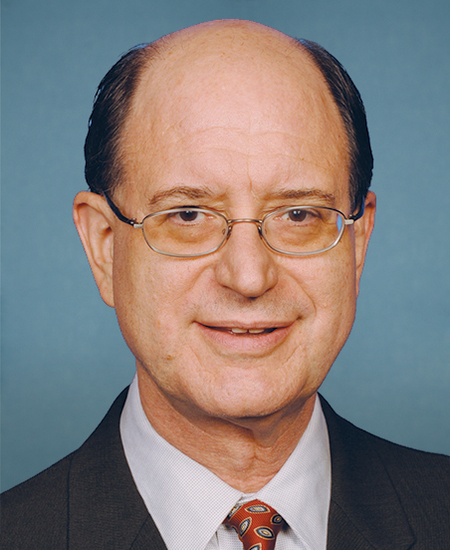
Brad Sherman
Not analysed yet
A requested analysis is usually ready within half an hour; come back to this page or reload it.
Mr. Speaker, I yield myself such time as I may consume. I rise in support of H.R. 8278, the Fostering the Use of Technology to Uphold Regulatory Effectiveness in Supervision Act, as amended, authored by Representative Stutzman. I particularly note that this bill starts with the word ``fostering,'' and so it is appropriate that it is co-led by the gentleman from Illinois (Mr. Foster). Who else could do a better job of fostering than Mr. Foster? This bill represents an important step in allowing Congress to better understand the technological vulnerabilities our banking regulators face. They come in at least two categories. One is to understand how banks are using AI and to make sure that banks are complying with all of our consumer protection and prudential standards. The second is to make sure that our regulators are in a position to make sure the banks are able to prevent themselves from being hit by malicious actors who could imperil consumers or, even more, the prudential solvency of the bank. It is better for Congress to understand the technological vulnerabilities that bankers face. This bill requires the Federal banking agencies to assess and to report to Congress on gaps and vulnerabilities in their supervisory tools and their procurement processes. As AI tools continue to be deployed by financial institutions, we have to be able to make sure that our regulators understand what the banks are doing. While malicious actors are beginning to use AI, it is important for our regulators to know the threats that that could pose to our banking system. Concerns have increased about the speed and scale of AI threats to the financial system and, as Mr. Foster pointed out, the particular threat of accelerating the speed of a run on a particular bank. Requiring regulators to meet emerging risks by utilizing their own technology to support their supervisory rulemaking and enforcement activities is an important step. This is known as supervisory technology and can include both AI, as well as cloud-based services and other technologies. Supervisory technology is used by agencies with the goal of improving their supervision process, while ensuring firms comply with regulatory requirements. Importantly, this bill requires Federal banking agencies to assess the procurement process rules for new technology they may need to acquire. Now, under the Trump administration, AI has been politicized, which has created challenges for consistent procurement practices. For example, on July 23, 2025, an executive order directed agencies not to procure AI models that contain AI outputs driven by ideologies like diversity, equality, and inclusion. This is a dangerous approach which ignores the well-documented harms from algorithmic bias in housing and financial services, the workforce, and criminal justice. It also appears to contradict our existing laws. When the government agencies do their enforcement, they need to enforce all of our laws. When they use AI, they need to enforce all of the laws that apply to banking institutions. That includes the laws that prohibit discrimination, and those are just as important as any of the other laws that our bank supervisors might be called upon to enforce. The AI technology that they acquire should be applicable to enforcing those laws as well as the others. Since this bill was proposed last Congress, many of the challenges we are facing with AI are now much more apparent. It seems as though every day the news and warnings about AI becomes more dire. This bill will help Congress to better ensure that our Federal banking agencies are able to keep up with the challenges they face. But let us remember, this bill is based on last decade's big issue--how AI could be used by human beings in a way that is harmful and how AI could be used by human beings in a way that promotes the enforcement of our law, but in any case, how AI is a tool in the hands of humans beings. Now, what has exploded into our consciousness is a second issue this bill doesn't and wasn't intended to deal with, and that should not be ignored by Congress. That is what happens if AI isn't being used by human beings to achieve a human purpose but instead develops its own self-awareness, its own goals? It pains me that this Congress is leaving town at the end of this week, leaving town on Thursday, when we should be spending at least the next 2 weeks focused on what our national response is to being told that AI may not just be a tool in the hands of good and bad people, used well and perhaps not so well, but maybe something we haven't confronted before; and that is, in effect, a new and powerful self- directed intelligence. Mr. Speaker, I look forward to working on those issues. For now, we ought to pass this bill. I urge my colleagues to support it, and I reserve the balance of my time.