Analysis · beta
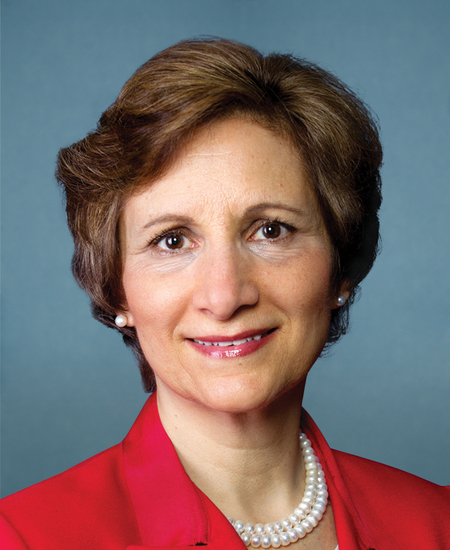
Suzanne Bonamici
Not analysed yet
A requested analysis is usually ready within half an hour; come back to this page or reload it.
Mr. Speaker, I thank Representative Elfreth for yielding. I rise today in strong support of my bipartisan bill, H.R. 2406, the NOAA Sexual Harassment and Assault Prevention Improvements Act. No matter the job or the position, everyone deserves to work in a safe and welcoming workplace. Many employees at NOAA, the National Oceanic and Atmospheric Administration, work in remote locations, aboard research and survey vessels, to conduct cutting-edge scientific research and to support U.S. fisheries. This bill has some history. Several years ago, a fisheries biologist came to me with a serious issue. She had experienced sexual harassment while conducting research on a ship owned by NOAA, and she wasn't the only one. After reporting the harassment, she was effectively grounded, and so were the others who spoke up. Her research was derailed, and she was advised against going to sea for her own safety. Her colleagues and harasser knew she had reported her experience, and there seemed to be little investigation into her case and the others. After hearing her story, I started to work with NOAA to find a resolution. After several months, I met and worked directly with then-NOAA Administrator Dr. Kathryn Sullivan, who truly took this issue seriously. With Dr. Sullivan's leadership, NOAA implemented new training requirements, made it easier to report sexual harassment, and changed NOAA's investigation protocol. NOAA then completed its investigations into the cases that were brought to my attention, and the employees were able to return to sea and resume their important research. I will note that every acting or confirmed NOAA Administrator since then, including Dr. Neil Jacobs when he was Acting Administrator and now again in his position as Administrator, have all expressed a commitment to the policies that keep their employees safe and free from abuse and harassment. Although NOAA has taken steps to update their policies, threats to researchers are still alarmingly persistent. Last year, a multiyear study of harassment in the North Pacific Groundfish and Halibut Observer Program, the largest fisheries monitoring program in the U.S., found that nearly one-third of the 400 North Pacific observers experienced harassment or assault annually. Of these, only 45 percent of the observers who experienced that harm disclosed it. Female observers were at least twice as likely to become targets as men. As a member of both the Science Committee and the Education Committee, for years I have heard consistent support for getting more women into scientific careers. That is important, but it is also important to keep them safe while they are at work. We must do more to prevent harassment and assault, help survivors seek justice, and hold harassers accountable for their actions. This bipartisan bill builds on NOAA's progress by expanding the agency's sexual harassment prevention and response policy to include employees of contractors, who were originally not covered. My bill also directs NOAA to provide a clear, secure structure to anonymously report sexual harassment or assault. This would allow survivors to more easily identify safe reporting services without triggering an investigative process, if that is what the survivor prefers. This bill would also add provisions so new covered employees and change of station or work location requests are included in the report to Congress. Importantly, this bill empowers NOAA's Office of Law Enforcement to enforce prohibitions on assault, intimidation, and interference with fisheries observers by removing restrictive stipulations that the acts be forcible in nature and occur on a vessel for NOAA to investigate. NOAA has taken meaningful steps to protect its researchers, contractors, and ocean-dependent communities. That work should be recognized. This bill, as the chairman recognized, will strengthen those efforts and make needed improvements to prevent harassment, modernize reporting, and hold harassers accountable to bring justice to survivors. We must do everything we can to create a work environment where scientists can achieve the next breakthrough discoveries, and everyone can feel safe at sea without fear of harassment, assault, or retaliation. I am very grateful to Representatives Salazar and Fitzpatrick for cosponsoring this important legislation. I thank Chair Westerman and Ranking Member Huffman for advancing it through the Natural Resources Committee to the floor. I urge all of my colleagues to support the NOAA Sexual Harassment and Assault Prevention Improvements Act.