Analysis · beta
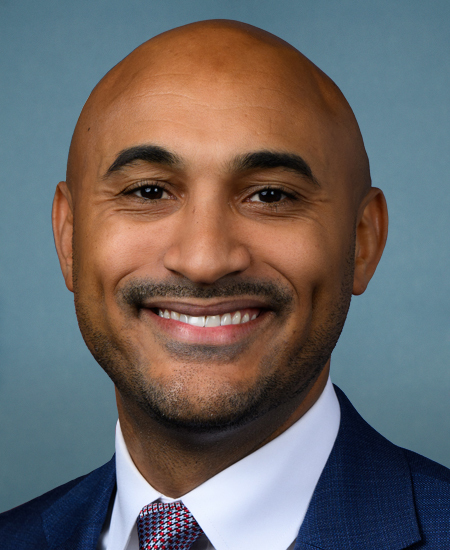
Shomari Figures
Not analysed yet
A requested analysis is usually ready within half an hour; come back to this page or reload it.
Mr. Speaker, I rise today to recognize the anniversary of the most defining day of my life to date, September 13, 1996, a fall afternoon. My mother walked into a waiting room at the University of South Alabama's medical center and announced to a collection of friends, family, and colleagues that my father, Michael Figures, had died. He had suffered a brain aneurysm at the house at the dinner table a couple of nights before and ultimately passed away. Mr. Speaker, my father was a lot of things to a lot of people. He was a State senator. He was a civil rights advocate. He was a lawyer and a community leader. To me, he was just Daddy. By any assessment, he exceeded expectations of a Black kid born in 1947 in Mobile, Alabama, in a neighborhood called The Bottle. He went on to excel academically, went to Stillman College in Tuscaloosa, and was one of a handful of students who were selected to integrate the University of Alabama Law School, and he did that. Mr. Speaker, 3 years later, he walked out as the first African American to graduate from the University of Alabama Law School. He didn't stop there. He got elected to the State senate. Because of the Voting Rights Act, he was one of the first three African Americans to walk into that chamber since Reconstruction. He used that position, as well as being a lawyer, to continue to advocate for rights and to continue to advocate for equality and fairness in communities. You can imagine that Alabama, at that time, had not experienced them. He didn't stop there. In 1981, the Ku Klux Klan lynched a young man in Mobile, Alabama, named Michael Donald. My father ultimately brought the lawsuit that resulted in the bankruptcy of the Ku Klux Klan. I remember that when my father passed away, the condolences started pouring in. President Clinton called the house, and then-Secretary of Labor Alexis Herman called the house, and then Jesse Jackson. Then, there was one who surprised me: George Wallace--that George Wallace, who, just a few years before my father had integrated University of Alabama Law School, had stood in the schoolhouse doors, famously, to block enrollment of African Americans coming into the school. Later on, their lives would cross paths. As Governor Wallace was winding down his terms as Governor, my father was in the State senate. As a kid, though I did not fully comprehend or understand the magnitude of my father's impact or who he was or what he was and what he meant to so many people, I knew one thing: that the respect that I saw shown to him as a kid, whether it was at a park ballfield, in the aisles at Home Depot, or at a gas station, I knew I wanted to be like that when I grew up. This is in an era where Gatorade commercials were plastered around at the time telling kids that ``I want to be like Mike,'' but the Mike I wanted to be like was not a basketball player. He wore a suit to work, and he was my father. Those footsteps that he left, I would later walk in them. I followed those same footsteps to the University of Alabama, where I got my law degree. I followed those same footsteps to the career that I had at the Department of Justice in seeking to make government work for everybody. I followed those footsteps here to Congress because my father, though he never served in Congress, was a State senator. He was the first Black president of the Alabama State Senate. He was the named plaintiff, believe it or not, in the Voting Rights Act case that created the first opportunity district for an African American to represent Alabama since Reconstruction, a seat that is now occupied by Congresswoman Terri Sewell. He literally paved the pathway for me to be here some 30 years after his death. Mr. Speaker, I can stand here today with just a simple message to my father, and that is: I am here because of him. That 10-year-old boy, or barely 11-year-old boy back in September of 1996, became a man, and not just any man. He became a Congressman who can stand on this floor in this House and deliver this speech because of what he and because of what my mother did for me. As I sit here today, it is only my dream and my hope that one day, my children, the children who I have of my own--I have four now of my own just like my father--that one day they can also look to me with the same admiration, with the same twinkle in their eyes that I did with my father and say, ``I want to be like my daddy,'' and that based on the work that we have done in our lives, that that pathway is made easier and possible for them.